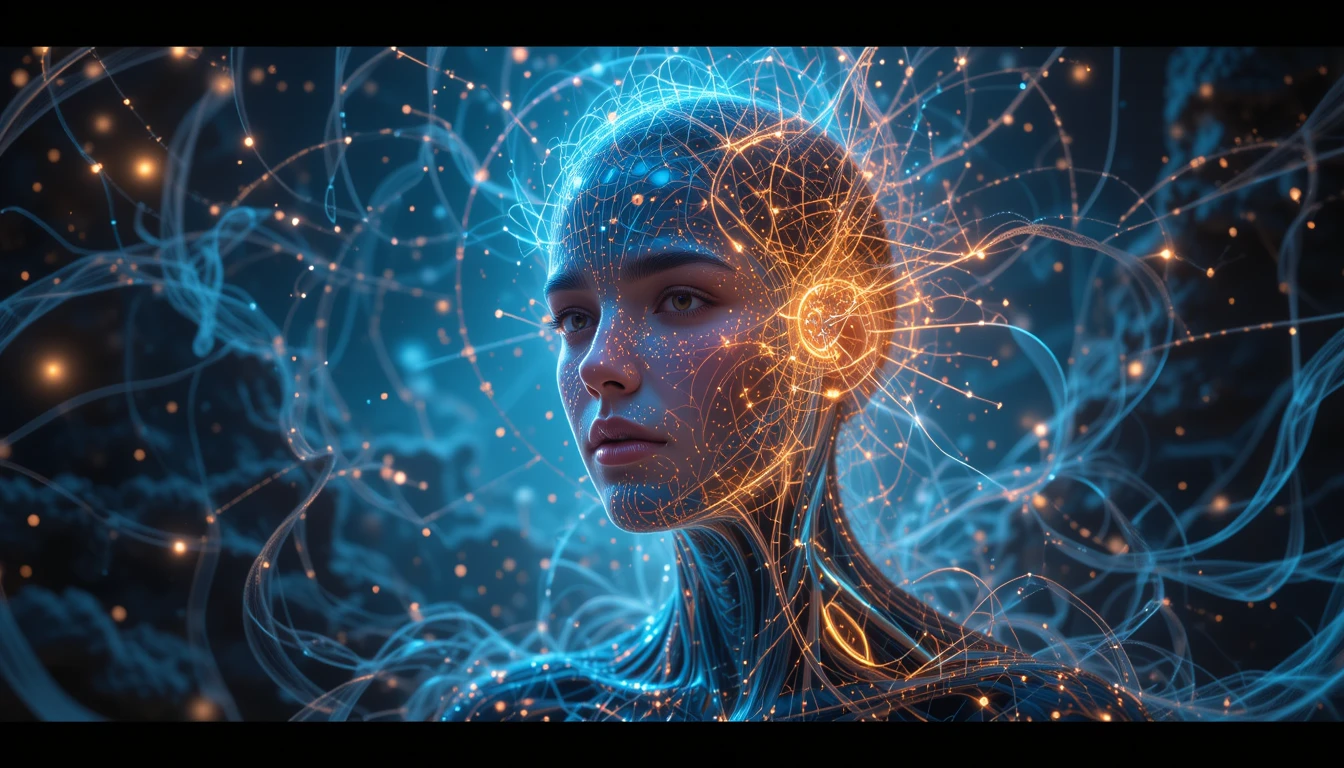
Turn Any Photo into a Talking Video with Free AI Tools
Transform a Photo into a Lifelike Talking Video with Free AI Tools
Convert headshots into animated talking videos using free AI tools that offer realistic voice generation and smooth, high-quality visual output.
This article will explore an innovative workflow that transforms a single headshot into a dynamic, talking video using free AI tools. The guide sheds light on the new Float model that enhances realism with natural head movements and expressions alongside precise lip-syncing. With emphasis on generating unlimited, high-quality AI voices through Google AI Studio, the content reveals key techniques such as image resizing, frame rate control, and smoothing transitions. Discover how these AI voice generation and talking video methods can revolutionize creative projects.
1. Understanding the Float Workflow for Animated Talking Videos
Imagine a world where a single headshot can burst into vivid life, narrating a story with natural head movements and authentic expressions. This isn’t confined to science fiction anymore – instead, it’s achievable today with the innovative Float workflow. Float is a breakthrough model that converts any headshot into an animated talking video, going far beyond simple lip-syncing to deliver full head movements, dynamic eye reactions, and nuanced expressions. It transcends prior limitations where only the lips were animated, now orchestrating an entire symphony of facial gestures that mirror real human conversation. This paradigm shift is transformative, as it bridges static imagery with interactive digital personalities – a fusion essential for industries ranging from digital marketing to remote learning and beyond.
The Float model’s core strength lies in its ability to process square images optimally. In the modern digital workflow, dimensions matter – a square image ensures consistency and accuracy. When a headshot is imported, the process commences with automatically cropping and resizing the image. Think of it as preparing a perfectly fit canvas for a digital portrait. Every detail, from the eyes to subtle eyebrow movements, is taken into account, ensuring that no element of the face is left behind in the transformation. Such meticulous attention to detail is reminiscent of practices in animation studios and digital art houses. For further insights into image processing techniques, check out this NVIDIA Deep Learning resource which closely aligns with many aspects of this workflow.
Once the square image is prepared, the pipeline enters its next phase. The processing pipeline is deliberately designed to be robust and user-friendly. It begins with the importation of the reference image, then seamlessly moves to execute the Float process. One remarkable advantage of this workflow is that it animates the entire head – ensuring that the eyes, facial contours, and expressions come to life without merely masking the lips. In essence, it offers a live performance where the facial mechanics are in full display. Detailed technical insights from Google AI Studio further illustrate the evolution of such digital models.
Beyond the aesthetic and performance aspects, the Float workflow is optimized for simplicity. During the initial setup, users may notice the automatic installation of essential pipeline nodes. This process simplifies what could otherwise be a complex setup ordeal. When importing the workflow, any missing nodes are automatically installed – a measure that eliminates the need for manual intervention and potential user error. Moreover, the Float PTH file, a critical component for the processing, is downloaded automatically during the first run. This feature streamlines the experience while ensuring that every detail is correctly configured for optimal performance. Modern automation practices such as these are transforming how multimedia projects are executed, as highlighted in studies available on ScienceDirect.
An important nuance of the Float model is its mechanism for setting the seed and adjusting emotion controls. Here, the seed acts as a deterministic element for the animation process, ensuring that the output remains consistent across different iterations. Emotion controls are equally significant. Although the model allows for a range of expressive reactions, research and practical experience have shown that selecting a neutral expression often yields the most reliable and lifelike output. This slight adjustment – switching from a “none” setting to a neutral expression – can be the difference between a mechanical appearance and a truly animated face that communicates subtle cues like empathy or curiosity. These insights into emotion dynamics are informed by studies similar to those reviewed by OpenAI Research.
A typical scenario might involve a user uploading a professionally taken headshot. With the precise cropping and resizing, the system perfectly frames the face. After importing the image and initiating the Float process, the node system begins an orchestrated download of the necessary PTH file. As the processing pipeline kicks in, the seed and emotion controls start operating seamlessly in the background – ensuring that the final animated video isn’t just a synchronized mouth movement, but one that’s genuinely expressive, mimicking the natural unpredictability of human expression. Such a workflow is game-changing for industries that rely on lifelike digital avatars and instructional video production. For more on the technical nuances of real-time image processing, arXiv offers a wealth of research papers that delve into these complexities.
To sum up, the Float workflow epitomizes an integrated approach to AI-driven animation. By incorporating advanced image processing techniques with an automated and intuitive processing pipeline, it transforms a static headshot into a dynamic, animated storyteller. The entire process – from image cropping to emotion control – reflects a blend of cutting-edge technology and user-friendly design. This is not merely an evolution; it’s a revolution that redefines how digital faces can be brought to life. For further reading on innovative digital image processing, MIT Technology Review continuously features developments that parallel these advancements.
2. Leveraging Google AI Studio for High-Quality AI Voice Generation
In the modern crossroad where audio meets visual storytelling, the integration of high-quality voice synthesis has become a cornerstone of compelling multimedia content. Enter Google AI Studio’s Generate Speech feature – an innovation that provides creative freedom and melody to the digital raconteur. At its heart, this offering presents two main options: Gemini 2.5 Flash Preview TTS and Gemini 2.5 Pro Preview TTS. Both options enable users to generate realistic, nuanced audio that authentically mirrors human vocal expressions. Even more impressive is the fact that these tools are accessible at no cost, leveling the playing field for creators of all scales.
Google AI Studio’s TTS (text-to-speech) technology is engineered for precision and lifelikeness. When compared side-by-side, both Gemini 2.5 options function seamlessly, with the Pro version occasionally delivering a slight performance uptick in specific scenarios. However, for many users, the differences are negligible. The quality of the generated audio is so high that it often competes with, and sometimes even surpasses, commercial TTS solutions such as those offered by 11Labs. As digital creators increasingly rely on synthetic voices for dynamic media, the Come of age of such tools is a testament to ongoing advancements in AI. Stories on platforms like The Verge AI illustrate how voice synthesis technologies are revolutionizing content.
A standout feature of Google AI Studio’s tool is the multi-speaker option, which essentially introduces an entirely new dimension of audio production – simulating conversation styles akin to a podcast. Imagine designing a scenario where two digital personas engage in a fluid, natural conversation. This capability is particularly important in contexts like audio dramas, interactive learning modules, or even virtual customer service. The multi-speaker mode allows users to choose distinct voices and adjust complex parameters like the model’s temperature, thereby fine-tuning the voice’s tone, pace, and emotion. This level of customization is highlighted in research shared on Smashing Magazine, where the blend of technical prowess and user-centric design is celebrated.
Speaker customizability extends far beyond just choosing a name or voice. Users can delve into granular settings, altering parameters such as the voice’s temperature – a control mechanism that subtly modulates the randomness of the output. While some developers prefer to retain the default settings, it’s the power to innovate that matters. For example, a content creator might adjust these settings for a dramatic reading or to set a certain mood in a corporate video. The interface allows for quick experimentation, prompting creative ideas to flow as easily as conversation. These advancements in natural-sounding audio reflect best practices seen in modern AI pipelines. More insights into these intricacies can be observed in publications by Forbes on AI Automation.
When it comes to generating natural-sounding audio, Google AI Studio excels in allowing straightforward integration of audio into broader creative workflows. For instance, consider a scenario where a headline is input into the system. With a few clicks – copying and pasting a headline – the tool can generate a full audio narration. The output isn’t just clear; it’s enriched with subtle inflections that mimic human intonation. One example includes a headline about significant policy changes, such as “China introduced new divorce property laws where assets belong to whoever paid for them rather than being equally divided.” The resulting output is as compelling as it is informative, making it clear that these tools are designed for high-quality voice synthesis.
Beyond the primary text-to-speech functionality, the flexibility to download or adjust the playback speed is crucial. This is particularly valuable when aligning audio with visual content. Whether it’s for a documentary, an explainer video, or a creative marketing piece, the ability to manipulate audio speed without losing clarity is a game changer. The integration of these tools allows creators to maintain full creative control over their media. More detailed comparisons and best practices in TTS are regularly discussed in industry journals available on Vice AI.
Furthermore, the free availability of these AI voice tools significantly democratizes access to advanced multimedia production. For startups, independent content creators, and educators, having access to such high-caliber technology without financial barriers increases the scope and quality of digital storytelling. The rising tide of free AI tools is helping level the playing field, ushering in an era where voice synthesis is not a luxury but rather a standard part of multimedia design. This aligns with thought leadership and industry trends observed on platforms like Rolling Stone on AI.
In summary, the integration of Google AI Studio’s Generate Speech feature offers an expansive toolkit for those aiming to infuse their digital creations with lifelike voiceovers. The dual option between Gemini 2.5 Flash and Pro ensures that regardless of the project’s scope, there’s always a fitting solution available. The multi-speaker functionality, detailed customization, and ease of integration transform traditional voiceover production. This innovative approach not only elevates multimedia content but also marks a significant milestone in the broader field of synthetic speech. For further in-depth discussions on the intersection of voice synthesis and user experience, look no further than scholarly articles available on arXiv.
3. Fine-Tuning Video Settings for a Realistic Final Output
Creating a lifelike animated video is only half the battle – the final polish is where a project transforms from functional to extraordinary. After the Float animation brings a headshot to life and Google AI Studio crafts a natural-sounding voice, the next challenge lies in harmoniously merging these elements. Fine-tuning video settings is the art of synchronizing high-fidelity animated imagery with fluid audio. Much like tuning a musical instrument, the goal is to achieve perfect harmony where every frame and every sound beat resonate with clarity and precision.
The first stage in the post-production process is the union of the generated audio with the animated image. The underlying strategy focuses on aligning the audio cues with facial movements, creating an engaging visual narrative where each lip-sync detail is impeccably timed. To achieve this, the workflow leverages a dedicated video combine node. Once the animated head – replete with life-like movements – is produced via the Float process, it is seamlessly merged with the corresponding audio track. This integration is critical, as a slight desynchronization can shatter the realism that the animated image aims to encapsulate. For additional insights into video synchronization and digital post-production, enthusiasts and professionals can explore guides on Smashing Magazine.
Frame rate control is a core component of refining video output. The process initiates with generating the video at 30 frames per second (fps). While 30 fps is sufficient for basic animation, an interpolation process is subsequently employed, doubling the frame rate to 60 fps for a smoother, more natural visual experience. This method is akin to an artist adding extra brush strokes to fill in the gaps of a painting – each additional frame contributes to seamless motion, enhancing the overall impact of the animated video. The interpolation not only creates a visually arresting piece but also ensures that the voice and movements remain perfectly synchronized. Delving into the technical details behind frame interpolation can be further explored on NVIDIA’s Deep Learning AI resources.
However, increasing the frame rate isn’t just about technical smoothness – it is also about rectifying minor imperfections that may arise during the animation process. Users might notice slight cuts or jumps in animation when frames are strictly generated at a lower rate. In response, the workflow introduces a subtle grain effect and implements careful color matching. These tweaks serve as digital bandages, smoothing out any unintended visual hiccups while preserving the authenticity of the video. Think of it as applying a gentle filter that enhances the video’s overall texture, making it appear more film-like. This strategy mirrors techniques used in high-end video productions, where post-processing turns raw footage into cinematic gold. For a deeper dive into the art of digital color correction, industry professionals refer to discussions on MIT Technology Review.
Maintaining consistent frame rates between the video combine node and the Float process node is another critical best practice in this workflow. Consistency ensures that the timing of audio and visual elements does not drift, which is especially important when the audio is generated separately using a TTS engine. When frame rates are mismatched, even the slightest delay can disrupt the viewer’s experience, causing the audio to be misaligned with the animated lip movements. This synchronization is crucial to preserving the immersive quality of the final output. To further explore synchronization issues and solutions in digital video, see the practical insights shared on Forbes on AI Automation.
Another essential factor is the careful doubling of frames during the interpolation process. It is imperative that the overall video length remains intact despite the higher frame count. Doubling frames without consideration can lead to a subtle but significant delay between audio and video. The workflow’s design ensures that while additional frames are added for smoothness, the final duration of the video remains unchanged – preserving the delicate balance between the visual and auditory elements. This intricate dance between time and motion is analogous to the work of a ballet choreographer, where every leap and subtle movement is precisely calculated. For those interested in further technical discussions on frame rate management, arXiv offers several white papers on the topic.
Moreover, fine-tuning the video settings is not solely about correcting errors; it is about enhancing the viewer’s overall experience. The process incorporates subtle artistic choices that are often overlooked in less ambitious projects. By integrating a slight grain effect alongside refined color matching, the output not only becomes smoother but also gains a tactile quality reminiscent of traditional film. These artistic decisions elevate the video from a mere demonstration of technology to a piece of digital art – a hallmark of innovation that many creative industries now aspire to. This confluence of technical precision and artistic flair is what positions modern AI-driven video production at the forefront of digital media innovation, as echoed by thought leadership on OpenAI Research.
Consider a practical example: a news outlet looking to generate dynamic headshot interviews can use this workflow to produce animated talking heads that accurately mirror the speaker’s expressions and voice tone. With precisely calibrated frame rates, the animated video synchronizes the synthetic voice with the visual performance, delivering information in an engaging and polished manner. This method has profound applications in fields such as digital journalism, e-learning, and even customer service where digital avatars are progressively replacing static images. For further explorations on the future of digital journalism and AI, The Verge AI frequently covers how technology reshapes media.
In summary, the art of fine-tuning video settings is the final brushstroke in the dynamic tableau of AI-driven animated storytelling. It links together the modern marvels of AI-generated visuals and audio into a cohesive narrative that is not only technically sound but also emotionally engaging. The journey from image import, through automated downloads and seed settings, to frame interpolation and post-processing enhancements, represents a meticulously crafted workflow that empowers creators to achieve professional-grade outputs with ease. By combining robust technical foundations with subtle artistic enhancements, the final video emerges as a testament to what modern AI and automation solutions can achieve.
For additional reading on innovative practices in video production and the convergence of AI with creative media, resources such as Vice AI provide comprehensive coverage and critical insights on this ever-evolving industry.
The integration of these workflows – from the Float model and Google AI Studio to the post-processing fine-tuning of video – creates a robust toolkit for modern digital storytelling. By leveraging each step of the process, creators can unlock new levels of interactivity and engagement in their multimedia projects. It is not merely about adopting new tools, but about reimagining the very canvas upon which digital narratives are painted. These innovations demonstrate a broader trend where advanced AI and automation are not only improving technical outcomes but are also fundamentally transforming how stories are told across screens worldwide.
This comprehensive approach reflects the broader evolution of multimedia production – a journey where technological innovations intersect with creative aspirations. As the boundaries of what is possible continue to expand, workflows like these stand as a testament to the power of integrating AI-driven tools into every stage of creative production. The dynamic interplay between image processing, voice synthesis, and video fine-tuning offers a glimpse into a future where digital content feels exceptionally human. More in-depth perspectives on this evolution can be found through continually updated resources like NVIDIA Deep Learning AI and MIT Technology Review.
The implications for industries as varied as digital journalism, education, and entertainment are significant. In digital journalism, for example, the transformation of static interviews into animated segments brings added depth to storytelling, allowing viewers to connect more personally with the subject matter. Educational content, too, benefits from animated narrators that can deliver lessons with both clarity and emotion, transforming how information is absorbed and retained. The future of these applications is being shaped by innovations evidenced in the workflow discussed here – advancements that serve as stepping stones toward an era of unprecedented digital interaction and productivity. For insights into the digital transformation of these fields, readers may explore expert analyses on Forbes on AI Automation.
Furthermore, the democratization of free, high-quality tools like Google AI Studio’s TTS and the Float model is an exciting development. Smaller organizations and independent creators now have access to technology that was previously the domain of large corporations. This equalizing trend accelerates innovation by enabling a more diverse array of voices and ideas to enter the digital narrative space. As the capabilities of AI tools continue to evolve and integrate with everyday creative processes, the gap between professional studios and grassroots content creators will narrow. Continued discussion and analysis in platforms such as arXiv and peer-reviewed journals will help ensure that these advancements are leveraged ethically and effectively, maximizing their benefits across society.
In conclusion, the transformative impact of the Float workflow and Google AI Studio on animated video creation is profound. From the initial conversion of a static headshot into a lifelike animated character, through the synthesis of natural and expressive audio, to the meticulous fine-tuning of video settings, every step is carefully engineered to deliver a seamless, engaging final product. These integrated processes exemplify how advanced AI can empower creators to tell richer, more dynamic stories. As these technologies continue to evolve, they offer a glimpse into a future where the boundaries between human and machine-driven creativity blur – heralding an era of innovation that is as boundless as it is inspiring.
This comprehensive analysis presents a blueprint for navigating the intricate process of AI-driven animation production. It underscores the importance of understanding both the technological framework and the creative potential inherent in these tools. For continued updates and expert commentary on the intersection of AI, automation, and creative production, industry leaders and curious minds alike can refer to reliable sources such as OpenAI Research and ScienceDirect.
Embracing these innovations not only enhances production quality but also inspires a broader rethinking of how stories are crafted in the digital age. The synergy between cutting-edge AI tools and creative vision is reshaping multimedia landscapes, setting the stage for content that is more engaging, immersive, and authentic. In this evolving journey, every pixel, every soundbite, and every frame is a reflection of a future where technology and creativity are inextricably linked – a future that Rokito.Ai champions as it illuminates how AI empowers humanity.
By synthesizing a state-of-the-art image animation model with advanced voice synthesis and meticulous video fine-tuning, this workflow illustrates a paradigm shift in digital storytelling. It is a holistic methodology that doesn’t merely layer technology onto content but redefines the very narrative framework of multimedia art.
For creators, educators, and businesses looking to harness these tools, this workflow offers a practical and inspiring roadmap. Whether the goal is to enrich digital journalism, enhance online courses, or create compelling marketing content, the combined power of the Float model and Google AI Studio unlocks exciting new possibilities. This convergence of automation and artistry paves the way for a future where digital content not only informs but also resonates on an emotional and intellectual level.
As AI continues to advance, the lines between technology and human expression will only become more fluid. By adopting and adapting these innovative workflows, organizations stand to drive significant productivity gains and creative breakthroughs. With every successful integration of these tools, the message is clear: AI is not just a tool, but a transformative partner in the creative journey.
For more detailed explorations and case studies on the evolving landscape of AI-driven automation and multimedia production, readers are encouraged to examine further research and expert commentary on platforms like The Verge AI and Vice AI.
Ultimately, the fusion of advanced animation, realistic voice synthesis, and precise video fine-tuning represents a milestone in digital innovation. It is a testament to how strategic integration of AI-driven tools can redefine media production, making it more accessible, efficient, and engaging than ever before.
This extensive exploration not only reveals the technical depth behind these groundbreaking workflows but also serves as an inspiration for the future of digital content creation. By embracing these advancements, creators are empowered to push boundaries, challenge conventional methodologies, and ultimately craft narratives that resonate deeply with their audiences. In a world where every frame and every sound tells a story, the journey toward ever more lifelike and immersive digital experiences is only just beginning.
With each innovation, the convergence of AI and creativity continues to forge new paths – paths that lead to richer interactions, more engaging storytelling, and a digital landscape brimming with possibility. As this journey unfolds, the vision of a future where technology and human expression seamlessly merge is no longer a distant dream, but an inspiring reality.
This narrative captures the spirit of the integration between the Float model, Google AI Studio’s speech synthesis, and advanced video processing techniques – a blueprint for a future where every detail, from facial expressions to vocal emotion, is meticulously orchestrated to transform digital content into a living, breathing masterpiece.