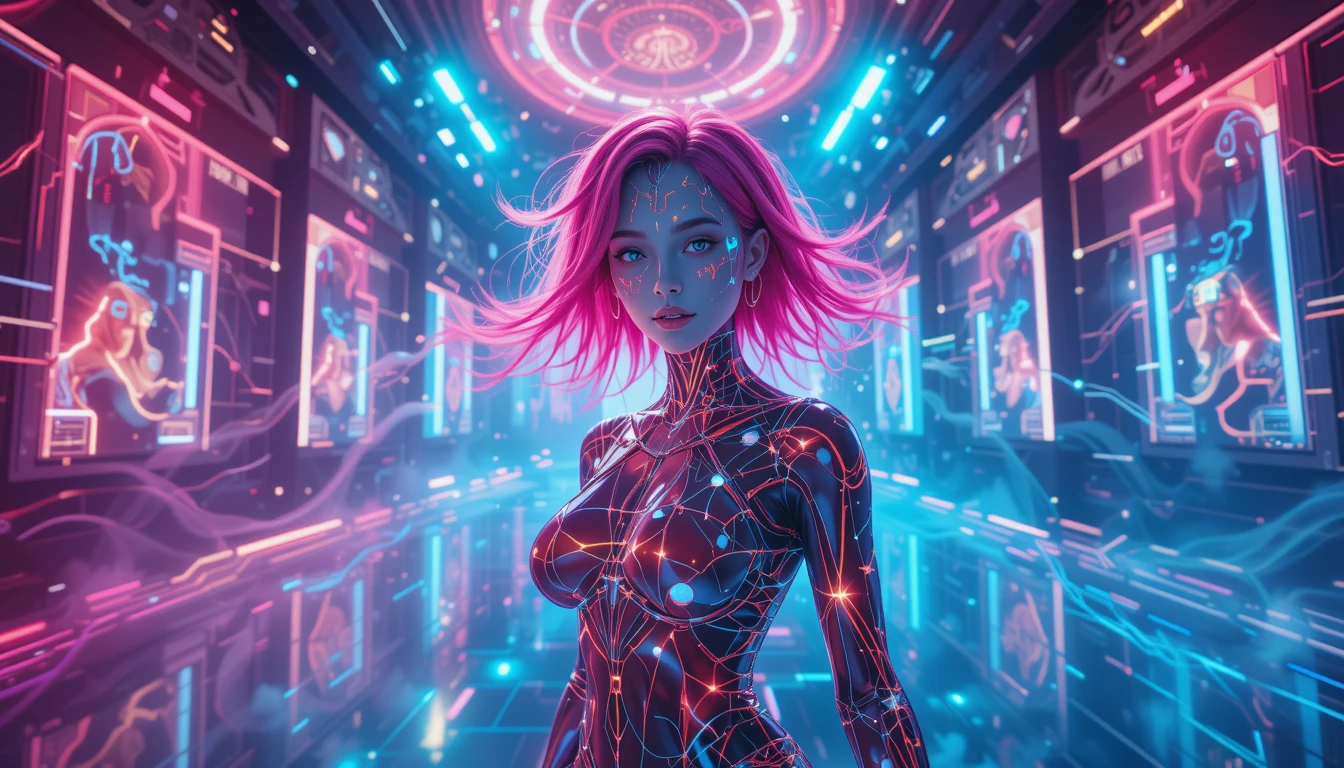
Create Stunning AI Music Videos with Just One Image
Stunning AI Music Videos from a Single Image
Learn how to create eye-catching AI music videos using just a single image with step-by-step instructions, creative tools, and editing techniques.
This comprehensive guide shows you how to create professional AI music videos using only one image. From generating virtual singers and syncing audio to editing dynamic video scenes, you’ll get actionable steps and tips to produce viral content. Learn how to craft detailed prompts, choose the right AI models, troubleshoot issues, and bring your creative vision to life using accessible digital tools.
🎯 1. Creating Your Virtual Singer and Preparing Your Assets
Imagine a stage where creativity meets technology: a virtual singer ready to perform, crafted entirely by artificial intelligence. In today’s fast-paced digital landscape, music video production is undergoing a revolution where every asset can be generated or fine-tuned with a few clicks. Leveraging AI tools not only accelerates production but also empowers creators with endless customization options. This section delves into the meticulous process of creating a digital singer and preparing all necessary assets, blending artistic vision with technological precision.
The journey begins on platforms like the Lemon Slice website – a hub for innovation in AI-driven image and video creation. Whether one chooses to generate a brand-new image using detailed prompts or upload an existing picture, the key lies in specificity. For instance, consider a scenario – you’re aiming for a pop star with vibrant flair. By writing an elaborate prompt such as, “a pop singer in her mid-20s with bright pink hair and an edgy, futuristic style,” the engine translates your vision into a visually compelling character. This detailed approach is crucial because the resulting image becomes the foundation upon which the entire video is built. Reliable sources, like Forbes Tech Council, continually highlight the importance of targeted content generation through advanced user inputs.
When it comes to selecting the ideal canvas for your virtual star, aspect ratios play a pivotal role in ensuring the content resonates with the intended audience. For example, a 16:9 ratio is tailored for YouTube’s long-form videos, while a 1:1 ratio fits perfectly on Instagram, and the 9:16 vertical format is essential for TikTok or YouTube Shorts. This strategic decision-making aligns each visual asset with its major distribution platform, a notion well-documented in sources such as The Verge.
Beyond the creative process, there’s an underappreciated art to generating the right prompts for building characters. If uncertainty strikes about which creative direction to pursue, AI tools like ChatGPT – renowned for their language prowess – offer invaluable suggestions. For example, inputting a query such as, “I’m looking for ideas on building a virtual character who will be singing and performing my pop songs. Suggest 10 creative prompts,” opens the door to a myriad of innovative character ideas. This interaction, as discussed in thought leadership pieces by WIRED, is a testament to how AI elevates creativity by providing echoes of inspiration that might not have been considered otherwise.
Once the visual identity is locked in, the next essential step is to prepare the audio component. A catchy pop song from your personal library must be selected and downloaded to serve as the soundtrack for your production. The music itself is a key driver; it not only provides rhythm and flow but also anchors the visual storytelling that follows. The integration of a compelling song with a visually engaging character can be the catalyst for viral potential – a phenomenon often detailed in TechCrunch articles on digital media trends.
The preparation phase encapsulates both the artistic and technical aspects of production. It’s not merely about generating an image or uploading a song – it’s about creating a complete brand that communicates the envisioned persona effectively. Leveraging tools like Lemon Slice and ChatGPT, creators can iterate rapidly, ensuring that every asset, from the pop star’s look to the accompanying beat, is perfectly aligned with the overall creative vision. For further insights on bridging art and technology, MIT Technology Review provides an excellent overview of how AI is reshaping creative industries.
To summarize:
- AI Image Generation: Use platforms like Lemon Slice for tailored visuals.
- Aspect Ratios: Adapt visuals to match platforms (16:9 for YouTube, 1:1 for Instagram, 9:16 for TikTok).
- Prompt Suggestions: Leverage AI tools such as ChatGPT for character ideas.
- Audio Selection: Ensure the pop song captures the ethos of your virtual singer.
These steps interweave artistic flair with technical precision – each decision is deliberate, striving to produce a cohesive narrative that transcends traditional media boundaries. As publishers like The New York Times have noted, the intersection of technology and creativity marks a turning point in media production, where the digital canvas becomes a playground for unprecedented innovation.
🚀 2. Animating Your Character and Perfecting Audio Lip-Sync
The next phase in this transformative journey is breathing life into the still image by animating the digital singer and ensuring the audio harmoniously syncs with her lip movements. In the realm of AI-driven content creation, precision is paramount. The goal is to craft a seamless experience where the character convincingly performs the selected song, a task that involves both technical rigor and creative finesse.
Animation begins with uploading the prerecorded audio and, if necessary, trimming it to the exact segments you want to be highlighted – perhaps focusing solely on the chorus where the performance peaks. This targeted trimming not only accentuates the most impactful parts of the song but also optimizes the sync between the visuals and the sound. By clicking on the audio file and engaging in a “click and drag” selection process, users can meticulously set the duration of the clip. This technique is crucial because even minute discrepancies can fracture the immersive experience, as extensively covered in Engadget‘s discussions on media synchronization.
The choice of the animation model is another strategic decision critical to the overall production quality. The platform offers two primary models: Model 2.5 and Model 2.7. Model 2.5 is ideal for longer clips, supporting up to 5 minutes of dynamic performance. It is particularly adept at handling full-length songs in one continuous shot while ensuring that the character’s lip movements are in perfect harmony with the audio. Conversely, Model 2.7 excels in generating shorter, 10-second clips with a more natural background animation. Such models are designed to cater to distinct production needs, as explained in BBC Technology segments, underscoring the adaptability of AI in creative applications.
Within the animation platform, users have the flexibility to select different modes tailored to various image characteristics. These include:
- Auto-Select Mode: The platform automatically determines the best animation strategy – a sympathetic choice for users who prefer a hands-off approach.
- Normal Mode: Ideal when the character’s face is prominently featured, ensuring that lip movements are centrally tracked.
- Inpaint Face Mode: Suitable for images where the face constitutes only a small part of the composition.
- Manually Inpaint Face Mode: Primarily used for non-human characters or images containing multiple subjects.
Each of these animation modes contributes to enhancing the overall performance by ensuring the lips and facial expressions synchronize perfectly with the audio. For further reading on automated animation techniques and their evolving role in digital media, CNET provides detailed analyses of contemporary animation platforms.
A noteworthy feature during this phase is the remix function. Often, AI-generated videos might not hit the exact mark on the first attempt. In such instances, the remix option allows creators to regenerate the video while retaining the same core inputs – the image and audio remain unchanged. This function not only saves time but also empowers users to fine-tune their animations based on real-time observations. The remix process leads to iterative improvements, much like A/B testing in digital advertising. Experts at Adweek have highlighted how iterative design and continuous adjustments are key to refining digital products.
Effective video editing is equally pivotal. By adding personalized notes during the remix process, one can keep track of the various iterations and ensure that the final output aligns with the creative vision. The organizational aspect of this approach mirrors project management techniques outlined on Harvard Business Review, where detailed tracking leads to higher overall quality outcomes.
The animation phase isn’t without its challenges. For instance, situations where the character moves too much or drastic camera angles can lead to issues such as unstable lip-syncing or odd morphing effects. A practical solution is to identify these problematic segments, trim them out, and then reimport the corrected clips into the project. This process might seem tedious, but it’s where precision editing comes into play, ensuring that every video segment is as polished as possible. Comprehensive insights into video editing practices and overcoming synchronization challenges can be found in articles by Digital Trends.
To encapsulate, the animation and audio syncing stage involves:
- Precision Audio Editing: Trimming songs to emphasize key segments like the chorus.
- Intelligent Model Selection: Opting between Model 2.5 for long clips and Model 2.7 for refined, shorter segments.
- Animation Mode Flexibility: Choosing between auto-select, normal, inpaint face, or manually inpaint face modes based on the image characteristics.
- Iterative Refinement: Employing the remix feature and detailed note-taking to continuously enhance video quality.
- Troubleshooting Unstable Sync Issues: Utilizing precision editing to trim and correct problematic video segments.
The integration of these strategies ensures that the animated performance mirrors the energy of the music, creating an immersive experience that captivates the viewer. With a growing body of evidence on the benefits of AI-enhanced media production from sources like Forbes, it’s clear that this approach is not just a fleeting trend but a fundamental shift in how digital storytelling is executed.
Furthermore, the blend of human creativity with automated precision in animation speaks volumes about the future of digital content creation. This fusion allows for rapid experimentation and iteration, leading to outputs that once would have required a full team of specialists working over weeks or months. Instead, artists and creators can now achieve similar results in a matter of hours – a game-changing innovation highlighted in pieces from Fast Company on the future of creative industries.
In conclusion, animating the virtual singer and perfecting her lip-sync to the rhythm of a carefully chosen pop song represents a critical intersection of art and science. It is here that AI steps in as both an enabler and an enhancer, expanding the creative process beyond traditional constraints. As the boundaries of digital artistry continue to blur, the future of music and visual storytelling is set to become even more dynamic, interactive, and compelling.
🧠 3. Creating Diverse Scenes and Polishing the Final Video
While a well-animated performance is impressive, it is the contextual variety and seamless integration of scenes that truly elevate a music video to a masterpiece. In this final phase, the focus is on generating diverse environments and polishing the video to create a cohesive narrative that resonates with audiences on platforms ranging from YouTube to TikTok.
To infuse fresh context and variety into the digital production, creators can turn to subject reference tools on platforms like Hyo AI. These tools enable the placement of the virtual singer into dynamically generated backgrounds, forging an interplay between the character and the setting. Imagine a scenario where the virtual pop star steps out of a Lamborghini – or navigates a vibrant urban landscape. By simply uploading the singer’s image and marking it as a subject reference, the AI can generate numerous scenes that are both visually captivating and contextually relevant. This strategy not only diversifies the visual narrative but also creates an immersive experience similar to that of blockbuster films. Insights on leveraging subject references for narrative expansion are well covered in industry reports by Inc..
The conversion of standout image shots into dynamic video clips further enhances the overall storytelling. Switching between image and video modes allows for creativity in how still visuals are transformed into moving art. For example, a carefully rendered still image of a vibrant moment can be animated into a short video clip with smooth transitions – bringing static art to life. This technique is invaluable during the editing process, where the alignment of visuals with key beats and lyrics forms the backbone of the final composition. Best practices for converting images to video and dynamic clip creation are regularly highlighted by Creative Bloq, offering a treasure trove of inspiration and practical tips.
Speaking of editing, the final video assembly is the culmination of all the creative efforts. Utilizing accessible tools like CapCut or any other preferred video editing software, the creator can import the fully synced video clips, the catchy pop song, and additional visual elements to craft a professionally polished music video. The editing phase involves detailed tasks such as:
- Syncing Clips with Lyrics: Aligning video cuts with the beats of the song to maintain the rhythm and energy.
- Adding Transitions: Creating smooth changes between scenes to ensure visual continuity.
- Incorporating Special Effects: Enhancing the visual appeal while keeping the focus on the performance.
- Adjusting Visual Timing: Tailoring the duration of each clip to correspond with lyrical inflections and musical cues.
All these elements come together much like the pieces of a complex puzzle, where every transition and visual effect contributes to a larger story. Publishers and digital media experts from The New York Times Technology Section have often emphasized that meticulous post-production editing is the secret sauce behind truly unforgettable multimedia experiences.
However, challenges may still arise during the editing phase. For instance, if certain scenes exhibit issues like morphing or unstable lip-sync, the remedy is to trim the problematic segments and reimport the corrected clips. Such troubleshooting, though time-consuming, is essential to ensure that the final video reflects the high standards expected by audiences accustomed to polished digital productions – a sentiment echoed by specialists at TechRadar.
Consider this practical scenario: imagine a video clip where the singer is driving a car, but due to rapid motion or abrupt camera transitions, the AI fails to capture consistent lip-sync. The solution involves identifying the exact problematic segment – perhaps a moment when the head moves too erratically – and trimming it from the timeline. Once isolated, the reliable clip is reprocessed with careful attention to synchronization before being reintegrated into the master timeline. This iterative approach is akin to a chef tasting and adjusting a complex dish to achieve the perfect flavor balance, as noted in culinary and creative industry comparisons by Eater.
Moreover, creating diverse scenes is more than just about dynamic environments – it is about reinforcing the narrative’s emotional arc. Switching between scenes where the character is performing live and contextual shots that hint at her world enriches the storytelling. For instance, a low-angle cinematic shot of the singer stepping out from a gleaming Lamborghini evokes a sense of empowerment and style. Such moments not only capture the viewer’s attention but also enhance brand identity, reinforcing the persona that the virtual singer embodies. The importance of narrative depth in video storytelling has been extensively analyzed in articles by Harvard Business Review on Innovation.
The final polishing touches involve ensuring that every beat, every transition, and every visual cue is in perfect harmony with the overall rhythm of the song. Employing advanced editing tools allows for granular control – trimming off excess footage, balancing color schemes, and even overlaying visual effects to accentuate key moments. Techniques for advanced video editing, which are revolutionizing the industry, are frequently featured in discussions on Tom’s Hardware and Digital Trends.
In summary, the process of creating diverse scenes and polishing the final video involves:
- Utilizing Subject References: Seamlessly integrating the virtual singer into various AI-generated backgrounds.
- Transforming Images to Video: Leveraging image-to-video modes for dynamic content.
- Precision Video Editing: Syncing clips with the song, adding transitions, and fine-tuning visual effects.
- Iterative Troubleshooting: Addressing issues such as morphing and unstable lip-sync through careful trimming and reimporting of clips.
To encapsulate, this phase is where the magic truly happens. It is the stage where disparate elements – a meticulously animated character, strategically chosen backgrounds, and a carefully synchronized soundtrack – come together to produce a unified, captivating audiovisual experience. This convergence is a testament to the power of AI in modern creative endeavors, providing tools and platforms that dramatically reduce production timelines while elevating the quality of digital content. The transformation seen here is reminiscent of tech incubators highlighted by Inc., where innovative solutions emerge from the synergy of technology and art.
As the final video is assembled and exported, every element – from the first AI-generated image to the last perfectly synced clip – is a reflection of a creative process that was both iterative and precise. The production journey, from the initial concept to the final cut, is a potent reminder of how far digital media has come and how AI is setting new benchmarks in content creation. Further discussions on the future of digital media in creative processes can be explored in depth on platforms like MIT Technology Review.
This comprehensive process, from creating your virtual singer to polishing the final video, is not just a technical guide but a roadmap to unlocking creative potential in the rapidly evolving landscape of AI-driven media. As the boundaries of art and technology continue to blur, creators have never had the tools to express their visions so fully and dynamically. The future of digital storytelling is here – an era where innovation, artistic expression, and efficiency coalesce to redefine the very fabric of media production. For further reading on how AI continues to reshape creative industries, explore insightful analyses on OpenAI’s blog and Scientific American.
In conclusion, the journey of crafting a virtual singer, animating her with precision, and embedding her into diverse, dynamic scenes is emblematic of the transformative impact of AI on content creation. This state-of-the-art approach not only democratizes media production by making advanced tools accessible but also pushes the boundaries of what is creatively imaginable. As technology continues to evolve, the artistic possibilities become even more expansive – inviting creators to experiment, express, and innovate like never before.
With each step, from generating a vibrant character using detailed prompts on platforms like Lemon Slice to fine-tuning lip-sync with advanced animation models and ultimately weaving together a multifaceted narrative in the final edit, the modern digital creator is empowered to forge new connections between art and technology. The resulting music video is much more than a series of automated processes – it is a crafted narrative that engages, inspires, and resonates on multiple emotional and intellectual levels.
This transformative process is poised to influence not only individual creators but also entire industries. As studios and independent artists alike embrace these innovative techniques, the barrier between traditional and digital production continues to dissolve. The potential for AI-driven music videos, with their dynamic visuals and perfectly synchronized audio, heralds a new chapter in digital storytelling – one where creativity knows no bounds. For more perspectives on this disruptive innovation, refer to analyses in Business Insider and WIRED Stories.
Ultimately, the convergence of robust AI tools, strategic planning, and creative vision showcased here not only meets the demands of modern digital media but also sets a new standard for future productions. It is an era where every digital asset is a carefully crafted element of a larger narrative – an inspiring demonstration that AI, when paired with human ingenuity, has the capacity to redefine the limits of imaginative expression.
Embracing this approach, creators now have at their fingertips an entire ecosystem of tools and strategies that drive innovation and open up endless possibilities. The detailed process – from carefully selecting the perfect aspect ratio for each social platform to meticulously refining each animated clip for optimal lip-sync – serves as a blueprint for anyone looking to make an indelible mark in the digital space. With platforms and techniques constantly evolving, staying at the forefront of this creative revolution is not just an advantage; it’s a necessity for those determined to capture the attention of a global audience.
In a world where every technological advancement promises a new way to connect and communicate, the synthesis of art and technology stands out as a beacon of transformative potential. By harnessing the power of AI, creators not only elevate their craft but also forge pathways to new forms of expression that were once relegated to the realm of imagination. For an in-depth exploration of these technological trends and their cultural implications, readers can consult resources such as The Economist and CNBC Technology.
Thus concludes the strategic exploration into creating your virtual singer, animating her with impeccable precision, and integrating her within a tapestry of diverse scenes to construct a compelling final music video. This innovative process not only exemplifies the melding of automation and creativity but also sets a visionary precedent for the future of AI-driven multimedia production. With every creative decision informed by a blend of algorithmic efficiency and artistic nuance, the digital narrative is redefined – one frame, one beat, and one visionary idea at a time.
The evolving landscape of AI-assisted media production challenges traditional paradigms and opens new avenues for storytellers and digital artists alike. By leveraging powerful AI tools and platforms, the creative process becomes both exhilarating and boundlessly varied, promising a future where imagination meets flawless execution. The final result is a testament to the potential of technology to elevate art, a journey that continues to inspire innovation on a global scale.
As this new era unfolds, creators can look forward to an even more integrated and transformative experience. The seamless integration of advanced tools – from creative image generation and precise animation to dynamic scene creation and final edit polishing – underscores a critical truth: the future of music videos is as limitless as the imagination. With technology at the helm, every digital production becomes a bold experiment in artistic freedom, inviting audiences everywhere to witness the evolution of creativity in real time.
In summary, the process outlined above – a comprehensive journey from conceptualizing a virtual singer to polishing a final video masterpiece – is a prime example of how AI-driven strategies are reshaping the media landscape. This approach, underpinned by rigorous planning, iterative refinement, and state-of-the-art technology, empowers creators to transcend conventional production limits and deliver content that not only entertains but also inspires. For ongoing insights into this rapidly evolving domain, continued exploration through trusted sources such as Strategy+Business provides a wealth of expert perspectives.
The era of AI-enhanced digital storytelling is here, and with it comes a paradigm shift that challenges creators to reimagine what is possible. Embrace the journey, experiment boldly, and let innovation be the driving force behind every digital beat.