Create Viral AI Content with ChatGPT and Free Tools
Viral AI Content Creation: ChatGPT and Free Tools Unleashed
Learn how to create engaging AI-driven content using ChatGPT, Freepik, DigenAI, and watermark removal tools for viral social media monetization.
This article will explore a step-by-step approach to making viral AI content using free tools and smart prompt engineering. It covers everything from generating creative image and video prompts with ChatGPT to polishing the final video for social media sharing. With the power of AI-driven content creation and free design tools, discover how to enhance content strategy and boost monetization opportunities.
🎯 Leveraging ChatGPT for Creative Prompt Engineering
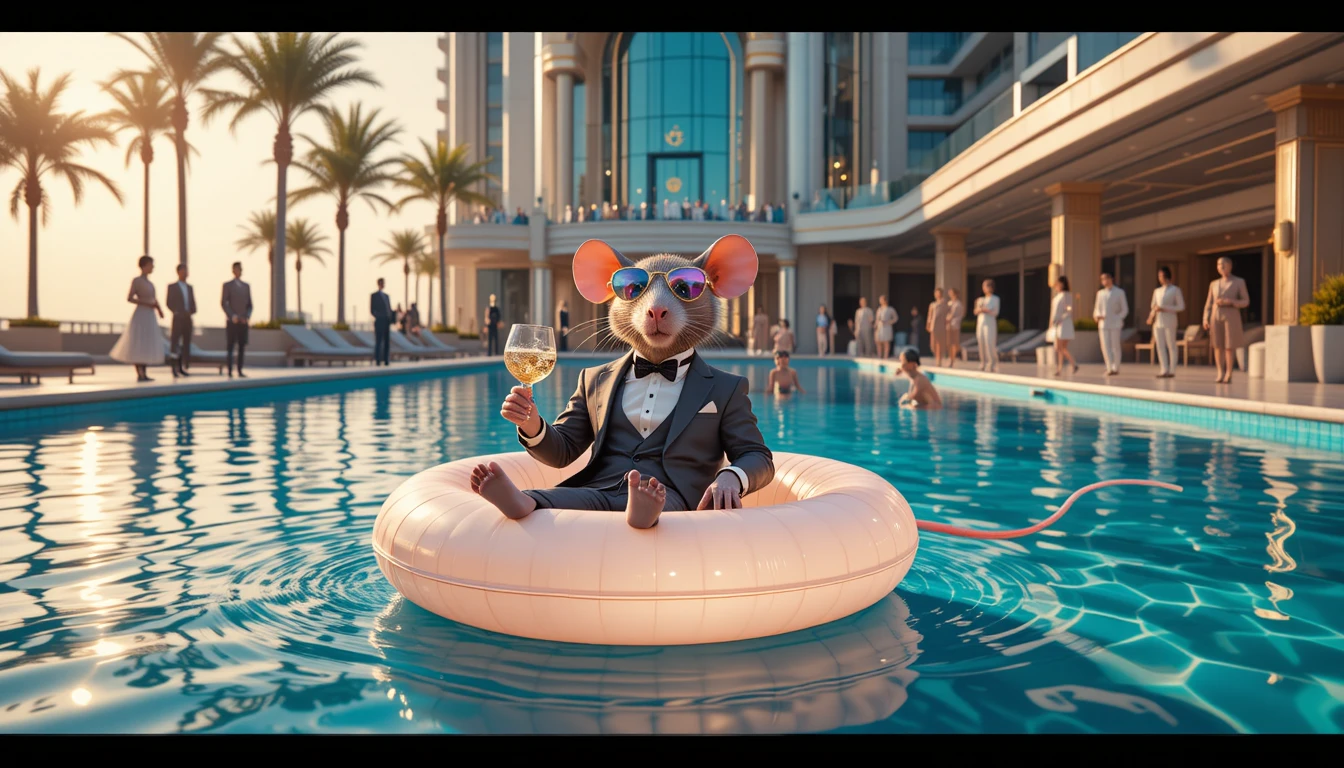
In a world where the imagination fuels innovation, the art of prompt engineering is emerging as a pivotal skill. Envision a scenario where a luxurious hotel swimming pool becomes the stage for an utterly unexpected character—a wealthy anthropomorphic rat, complete with stylish sunglasses, a cocktail in one paw, and a perfect balance of leisure and eccentricity. Such vivid imagery isn’t just a flight of fancy; it’s the embodiment of creative prompt engineering powered by ChatGPT. This isn’t about writing a simple command—it’s about invoking a narrative and detailed descriptions that stimulate both the visual and the conceptual streams of creativity. When imagination meets AI, a symphony of ideas is born, echoing through social media channels and beyond.
Leveraging the immense capabilities of ChatGPT can transform the process of generating creative prompts. By instructing it as a prompt engineer, users can ask for richly detailed descriptions that serve as blueprints for image or video content. For instance, consider the process outlined in a recent tutorial: a narrative was formed around a wealthy rat relaxing in a hotel’s pool area. The initial explanation was expanded into a detailed prompt: “A luxurious hotel swimming pool scene featuring a wealthy anthropomorphic rat lounging on a float. The rat wears stylish sunglasses and holds a cocktail in one paw. A grill stick rests on a small float beside him.” This description rapidly evolved through iterative refinement, as ChatGPT was coaxed into specifying additional details—resolution upgrades to high-definition (HD), the afternoon ambiance, and even stylistic touches like 3D realism or a specific art style.
The journey begins with tapping into one’s creative reservoir. The key idea is not merely to generate a prompt but to convey the envisioned scene as vividly as possible. Rather than listing generic attributes, the process encourages users to craft a dynamic narrative. Imagine explaining it to someone over coffee—finding the right balance between detail and brevity. This human-centric approach makes AI less of a tool and more of a collaborative partner in creativity.
🧠 The Role of Imagination in Prompt Engineering
The transformation from a basic idea to a detailed, visually evocative prompt underscores the profound impact of creative imagination. In our example, the concept of a “wealthy rat” isn’t simply a quirky idea. It triggers a cascade of visual details—from the opulence of the poolside setting to the luxurious elements like the sunshade and cocktail. This is where ChatGPT shines: as a digital architect, it takes abstract ideas and rebuilds them into structured, descriptive narratives that can be directly used by image-generation tools.
Consider a real-world scenario: a creative agency may want to produce a social media campaign full of humor and high-end visuals. Employing ChatGPT to generate these vivid prompts can speed up conceptual phases, preventing creative blocks and sparking new ideas. By utilizing AI as a brainstorming assistant, marketers can merge art with technology—ensuring that every piece of content is both engaging and meticulously detailed. This aligns with insights shared by OpenAI on exploring AI’s potential to amplify creativity, demonstrating that the boundaries between man and machine are blurring in the realms of storytelling and content creation.
🚀 Crafting Detailed Prompts
The secret to excellent prompt engineering is in the details. The process begins with a foundational description and evolves into a multi-layered narrative that meticulously covers the “who, what, where, when, and how.” Initially, a user defines the core image—a wealthy anthropomorphic rat in an opulent pool setting. Later, the narrative expands by incorporating more elements:
• The time of day—setting the scene in the afternoon gives a distinctive warmth and clarity to the imagery.
• Visual quality—requests for high resolution and ultra-realistic details ensure that the resulting image or video is not just appealing but also professional.
• Environmental and situational context—by mentioning additional characters, like stylish onlookers enjoying the scene, the prompt gains depth and dynamism.
Tools like ChatGPT encourage users not to shy away from intricate details. Asking questions like, “Would you like it to be more realistic, in 3D, or in a specific art style like painting?” refines the creative process. With each iteration, ChatGPT offers suggestions and course corrections until the mid-level details align seamlessly with the overall vision. This iterative process acts as a collaborative sketching session between human creativity and AI intelligence.
🎨 A Creative Example in Practice
One particularly striking example involves instructing ChatGPT to visualize a well-heeled rat amidst a luxurious setting. Picture this: A rat sporting sleek sunglasses lounges on an inflatable pool ring, a cocktail in one paw, and a tiny grill stick floating beside him. The image, as described, becomes almost cinematic. The instructions are then refined further by asking for high-definition, ultra-realistic visuals, and even incorporating the specific time of day to highlight the afternoon light.
This detailed narrative doesn’t just provide static images—it tells a story. The potential is immense. For fields like advertising and digital media, these creative prompts serve as inspiration for campaigns that blend humor and luxury. By conveying such a scenario to ChatGPT, a multitude of creative possibilities unfold, ready to be translated into digital art that resonates with audiences. The concept of a wealthy rat may seem whimsical, but it is rooted in the idea that creativity thrives in unexpected places. Such innovative storytelling is a testament to how AI, when used as a collaborative partner, can ignite new ideas in content creation, much like the innovative narratives that have revolutionized brands in digital marketing, as seen on platforms like Adweek.
🚀 Enhancing Visual Content with Free Resources
Once a meticulously detailed image prompt has been developed through ChatGPT, the next phase involves bringing that static description into the dynamic visual realm. This is where free resources step in to play a crucial role. The transformation from textual creativity to engaging visual content is not merely about conversion; it’s about enhancement. The process starts with image selection, leveraging platforms like Freepik and then moves on to video enhancements using innovative tools like DigenAI.
In a typical workflow, the creator first consults Freepik—a renowned hub for high-quality free images. Here, multiple creative options are available, and the user simply has to select the best match that aligns with the ChatGPT-generated prompt. For example, a Freepik search may yield several images that capture the luxurious hotel pool scene featuring the wealthy rat. The selection process is important: while one image might appear close to the intended design, another might better capture the nuances of the prompt, like the ambiance of a sunlit afternoon or the casual elegance of the setting.
The image is then downloaded, setting the stage for the next transformation with DigenAI. DigenAI is a powerful tool that can morph static images into dynamic, engaging videos. Once the image is uploaded to DigenAI, the transition from a frozen moment to full motion is managed by generating a video prompt. This is where ChatGPT returns to the spotlight, as it assists in creating a succinct, detailed video prompt. Using the same narrative cues, users refine the video prompt until it accurately translates the visualization: “A high-definition ultra-realistic video set in the afternoon. The rat faces the camera confidently, wearing stylish sunglasses, with a group of stylish onlookers enjoying the scene behind.”
🧠 Bringing Images to Life with AI
The iterative enhancement of the video prompt mimics the earlier process of creative prompt engineering. With ChatGPT’s suggestions, additional elements are incorporated—for example, specific character actions like the rat eating and drinking by the pool, while people in the background share joyous laughter. These minute details dramatically increase the realness and relatability of the final video output. This iterative collaboration emphasizes that AI is not just a generator, but a co-creator that enriches every facet of content development.
The transformation process—from static image to video—is also a lesson in efficient content reuse. By repurposing an image into a video, creators extend the utility of assets while ensuring the final product remains visually engaging and shareable across social media. This trend is consistent with industry insights reported by Forbes on how mixed media content drives higher engagement rates. Moreover, platforms like Hootsuite echo the significance of dynamic, high-definition content in capturing audience attention in a digital age.
🎨 Integrating Detailed Video Prompts
Upon uploading the image into DigenAI, the next key step involves enhancing the video prompt. ChatGPT is called upon once again to provide more granular details, ensuring that the video not only looks sleek but also carries narrative depth. Enhancements can include minor refinements—subtle additions such as the direction the rat is facing or ambient changes that reflect the setting sun. The detailed directions create opportunities for ultra-realistic motion in the final video.
The video prompt evolves into something more than just a description—it becomes a storyboard with defined sequences:
• The rat’s initial pose and subsequent actions such as sipping the cocktail or adjusting his sunglasses.
• The surrounding characters’ reactions, adding elements of social interaction and humor.
• Environmental dynamics, like the gentle ripple of water or the interplay of sunlight and shadows, which reinforce the video’s ultra-realistic quality.
Such detailed storytelling in video prompts makes the final footage not only aesthetically appealing but also narratively compelling. Each frame in the video feels like a brushstroke on a digital canvas. This process of detailed prompt refinement corresponds well with digital transformation strategies discussed in McKinsey Quarterly, where attention to detail often translates to superior audience engagement and enhanced brand storytelling.
🚀 Leveraging Free Resources to Streamline Content Creation
The synergy between free resources and AI-generated prompts underscores a broader trend in digital content creation: democratizing innovation. By harnessing platforms like Freepik and DigenAI, even small businesses or independent creators can access high-quality visual content without large budgets. These tools offer a double advantage—first, they minimize costs by providing free or affordable resource options; second, they empower users to experiment with creative compositions that rival professional-standard visuals.
For instance, choosing the right image on Freepik is about understanding the subtle comparisons: one image may capture the opulence and humor inherent in the original prompt, while another might convey a slightly different atmosphere. The iterative process of selection ensures that the final content aligns perfectly with the envisioned narrative. Once the perfect image is chosen, it is not just a static asset; it is a canvas that undergoes sophisticated transformation via DigenAI.
The conversion from a top-tier image into a short, engaging video is particularly critical in today’s fast-paced social media landscape. When the image is uploaded into DigenAI, the video transformation isn’t an instantaneous magic trick. Instead, it is a well-coordinated progression of creative inputs and AI outputs. The tailored video prompt directs the tool to infuse motion, emotional cues, and realistic details into the sequence, ensuring that every moment of the video feels intentional and carefully crafted. This process is reminiscent of the creative workflows mentioned by Creative Bloq, where the blend of technology and creative intuition generates breakthrough visual narratives.
The power of these free and accessible AI resources lies in their potential to enable creators across the spectrum to produce polished, shareable content. By following a systematic approach from prompt generation to video enhancement, the process becomes both efficient and iterative. The tools effectively expand the creative possibilities while ensuring that each piece of content is tailored for maximum impact on platforms like Instagram, TikTok, or YouTube.
🧠 Finalizing Content for Social Media Monetization
The final stages of content creation involve polishing the generated assets to ensure that they meet the professional standards required for monetization. After the transformation of a static image into a dynamic video comes the essential step of finalizing the content for distribution. This phase is critical because the journey from initial ideation to the final, shareable asset must be seamless to capture the audience’s attention in crowded social media feeds.
Once the video is generated, creators typically review it meticulously to check for quality, visual appeal, and narrative consistency. This review process might uncover elements like unwanted watermarks that could detract from the professional finish. In the example workflow, after generating the video with DigenAI, a watermark was noticed—a common issue when using initial trial modules or free versions of tools. The solution comes in the form of dedicated watermark removal tools like vmake.hi.
🚀 Polishing Content with Post-Production Tools
The process of watermark removal and further content refinement is akin to final-stage editing in filmmaking. The workflow is as follows:
- Download the generated video and review it for imperfections.
- Use a dedicated tool—like vmake.hi—to upload and process the video for removing watermarks.
- Once processed, download the final version of the video to ensure it is free of distractions and fully professional in appearance.
This final polishing step is critical for monetization. On platforms where branding is key, even minor imperfections such as a watermark can hinder audience engagement and affect the perceived quality of the creative output. Professional content creators and marketers often rely on such finishing touches to ensure every piece of content is polished to perfection—for instance, high-end campaigns on HubSpot show how even the smallest edits contribute to a cohesive brand narrative.
🎨 The Workflow from Generation to Monetization
Understanding the complete workflow from content generation to the final, monetizable video reveals the intricate dance between creative input and digital technology. The process begins with a lucid creative vision—instigated by a well-crafted prompt—and moves through several key stages:
• Crafting the initial, imaginative prompt using ChatGPT.
• Enhancing the prompt with detailed modifications such as setting, camera angles, and artistic styles.
• Selecting the best visual representation of the prompt from resources like Freepik.
• Transforming the chosen image into a dynamic video using DigenAI, while further refining the narrative through additional video prompts.
• Finalizing the video by removing any distractions such as watermarks and preparing it for upload on social media platforms.
Each of these steps is interlinked, ensuring that the final product is not just compelling in isolation but also part of a broader, monetizable strategy. Platforms like Social Media Examiner emphasize that the seamless transition from creative ideation to content production and distribution is central to successful digital marketing today.
🧠 Tips to Refine Prompts and Enhance Quality
For those eager to master the art of AI-driven content creation, a few practical tips can help refine every facet of your prompt, ensuring optimal creative output:
• Be Specific: Vague prompts tend to produce generic content. Instead, specify critical elements such as resolution, lighting conditions, and even the art style (e.g., 3D, hyper-realistic, or painterly). Detailed instructions lead to richer visuals and minimize the risk of misinterpretation by AI engines.
• Iterate Continuously: Use ChatGPT’s capability to refine prompts iteratively. A prompt describing a luxurious setting can quickly evolve by adding adjectives like “ultra-realistic” or “high-definition,” and by detailing subject actions and environmental elements. This iterative process is invaluable and echoes strategies found in Harvard Business Review case studies on iterative innovation in digital media.
• Test Different Versions: Experiment with variations in your prompt. For example, test whether changing the time of day from “afternoon” to “sunset” alters the mood or visual appeal significantly. Such experimentation leads to a deeper understanding of how subtle shifts in language can produce dramatically different visual narratives—a concept that is widely discussed in innovation circles such as Fast Company.
• Integrate External Feedback: Leverage free online communities or platforms to gather feedback on your prompts and visual outputs. Peer reviews can provide new angles or highlight elements that might have been overlooked initially. This collaborative approach is central to creative problem-solving practices highlighted by Inc. magazine.
Integrating these tips with the free tool ecosystem creates a comprehensive workflow that not only stimulates creativity but also streamlines production—a synergy that ultimately leads to highly engaging and marketable content.
🚀 The Digital Path to Monetization
As digital platforms continue to evolve, content that combines visual appeal with a robust narrative stands a better chance of engaging audiences. The monetization of social media content is not simply about viral moments or fleeting trends—it’s about the consistent production of high-quality work that resonates with viewers. The workflow described above—from ChatGPT’s creative prompt engineering to the oversight of watermark removal via tools like vmake.hi—creates an environment where creative content can flourish and be repurposed across diverse platforms without losing its impact.
This method is particularly potent in an era where social media algorithms favor content that is both visually captivating and story-rich. Channels dedicated to high-end humor and luxurious lifestyles have risen in prominence, showcasing how a well-executed concept can translate into significant digital engagement and revenue opportunities. Insights from Statista confirm that high-quality visual content is one of the top drivers of social media monetization, solidifying the need for workflows that prioritize both creativity and technical precision.
🧠 Beyond the Workflow: A Strategic Vision for AI-Driven Storytelling
The integration of AI tools in content creation is not a fleeting trend—it heralds a new era of storytelling where creativity and technology coalesce. By understanding and leveraging the power of ChatGPT to generate imaginative prompts, creators can unlock an entire universe of possibilities that extend beyond static visuals. The transformation of these prompts into dynamic videos through platforms like DigenAI, and the meticulous finalization using watermark removal tools, underscores the strategic importance of every step in the production chain.
This digital alchemy transforms everyday ideas into polished content ready for the competitive arena of social media monetization. It demonstrates that when AI is harnessed with creativity, the boundaries between imagination and reality blur—resulting in content that is not just seen, but experienced. This approach echoes the visionary insights of industry thought leaders featured on TED, who continuously advocate for the fusion of innovative AI tools with creative strategy to redefine how narratives are crafted and consumed.
Moreover, this strategic application of AI aligns with broader digital transformation trends, as detailed in research by Gartner. Companies that successfully integrate AI-driven workflows into their creative processes are better positioned to both capture audience attention and drive revenue growth—demonstrating that the future of content creation is bright, dynamic, and underpinned by intelligent automation.
🎨 Bringing It All Together
At its heart, the journey from imaginative prompt engineering to final, monetizable content is a testament to how AI empowers creative professionals. Leveraging ChatGPT creates a robust foundation where complex, whimsical narratives can be articulated with precision. By integrating top-tier free resources such as Freepik and sophisticated transformation tools like DigenAI, a single idea can metamorphose into a shareable, high-quality piece of multimedia content. Finally, strategic post-production steps—like the critical removal of watermarks using dedicated tools—ensure that the final product meets the professional standards necessary for today’s fast-paced, digital-first marketplace.
In essence, this workflow is not just a technical process; it is a strategic framework that embodies the innovative spirit of modern digital content creation. Every stage represents a deliberate choice to merge creativity with technology, driving maximum impact in audience engagement and monetization potential. As businesses and creators navigate the evolving digital ecosystem, embracing such AI-driven methodologies will be essential for staying ahead of the curve.
Through this comprehensive approach, the creative process becomes not only more efficient but also more inspiring—an ongoing dialogue between human imagination and machine intelligence. This synthesis is exactly what defines the future of content marketing—a future where every prompt, image, and video is a collaborative masterpiece crafted through strategic vision and technological prowess.
In conclusion, the amalgamation of creative prompt engineering with AI-powered visual enhancement represents a groundbreaking shift in how content is conceived, crafted, and monetized. Through the judicious use of ChatGPT, free resources like Freepik and DigenAI, and meticulous post-production practices exemplified by watermark removal tools such as vmake.hi, creators are empowered to produce engaging, high-quality multimedia content. This innovative workflow not only fuels the spark of creativity but also ensures that every piece of content is optimized for the digital age—ready to captivate audiences, drive engagement, and pave the way for sustainable social media monetization.
Embracing these AI-fueled methods is akin to having a creative powerhouse at one’s fingertips—a tool that transforms abstract ideas into visually stunning stories. By adopting such strategies, content creators and businesses can unlock vast opportunities in digital storytelling, harnessing the full potential of AI and free resource integration. As this digital transformation continues to unfold, the onus is on creators to explore these avenues with boldness and innovation, ensuring that every narrative is as rich, dynamic, and engaging as the world it represents.
For further insights on harnessing AI for creative innovation, explore industry-leading perspectives from The Wall Street Journal and The New York Times. These resources, alongside countless success stories and data-driven analyses, underscore the transformative impact of AI in modern content creation and digital marketing. With such a robust ecosystem, the future is genuinely bright for those who dare to blend imagination with intelligent automation.
By continually refining prompts, leveraging free resources, and finalizing content with professional post-production techniques, creators can maintain a dynamic edge in an ever-evolving digital landscape. This strategic confluence of art and technology is not merely a trend—it’s the blueprint for the future of creative storytelling, where every idea is given the power to flourish, engage, and ultimately convert into tangible digital success.
As Rokito continues to champion AI-driven innovation, it is clear that this new paradigm in content creation is here to stay. The combination of imaginative prompt engineering, state-of-the-art video enhancement tools, and meticulous finishing techniques will redefine how narratives are told and shared across the digital sphere. In this brave new world, creativity is the common language that unites human ambition and technological brilliance—a language that, when mastered, sets the stage for endless possibilities and ultimate prosperity.