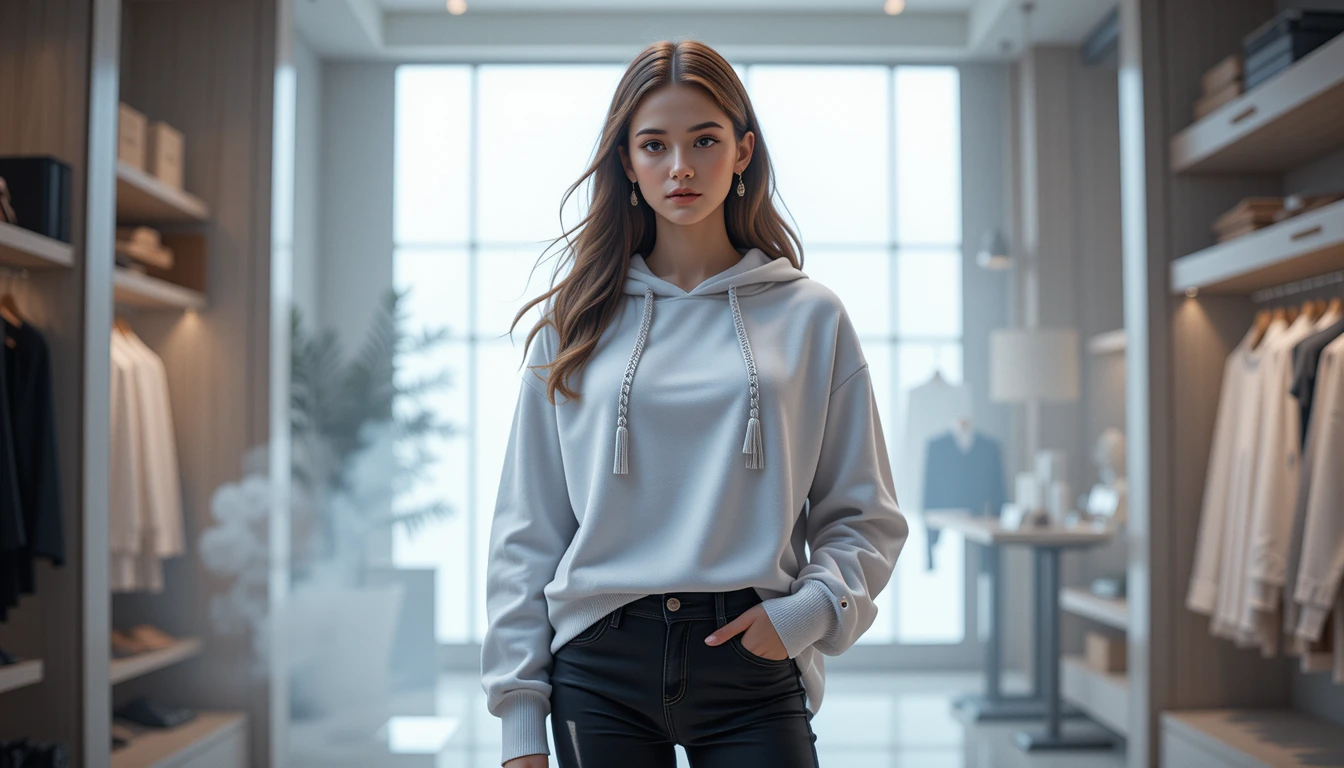
Boost Dropshipping Sales with AI-Generated Product Images
Drive Dropshipping Success with AI-Created Product Photos
Discover how AI transforms dropshipping by generating realistic product images that boost conversions without expensive photoshoots.
This article explores how innovative AI-generated product images are revolutionizing dropshipping. Learn how to seamlessly integrate Chat GPT 4.0 into your workflow and enhance product visuals using Photoshop. The guide breaks down the process from generating model-ready images to fine-tuning details for higher conversion rates and sales. With clear, step-by-step insights and expert tips, discover an efficient approach to product imaging that minimizes cost and maximizes impact.
🎯 ## Embracing AI for Realistic Product Imaging in Dropshipping
Imagine walking into a high-end boutique where every product is presented with such authenticity and flair that you instantly feel connected, even before you try anything on. This isn’t just a luxury reserved for brick-and-mortar stores anymore; it’s rapidly becoming the new reality in dropshipping. In the hyper-competitive world of e-commerce, particularly in niches such as apparel dropshipping, traditional product photos often come off as sterile, uninspiring, and detached from real-world context. One is reminded of those outdated catalogues that featured an item on a plain white backdrop—instead of igniting desire, they end up dampening conversions. Realistic product imaging now holds the crown in capturing attention and earning trust from potential customers.
A major challenge for dropshippers has always been the difficulty and high cost associated with producing high-quality, relatable visuals. Traditional product photography involves not only expensive model shoots but also meticulous coordination with photographers, studio rentals, and potentially multiple retakes to truly capture the product’s essence. As dropshipping ventures are often launched on tight budgets, especially during the early stages, it becomes crucial to find a cost-effective solution that still delivers top-tier visuals.
High-quality visuals are more than just an aesthetic choice; they are a powerful conversion tool. In an environment saturated with competing listings, a realistic, lifestyle-infused image can dramatically impact customer trust and conversion rates. When potential buyers see a product in a context that mirrors their everyday life—a model wearing that hoodie on a casual day out, or a t-shirt in a natural pose—they’re more likely to envision themselves using it. Studies like those shared on Shopify’s insights and market research on consumer behavior affirm that the emotional and contextual presentation of products plays a pivotal role in online purchasing decisions.
Enter AI, especially the transformative capabilities of Chat GPT 4.0. This technology is revolutionizing the way realistic images are generated for print-on-demand products. By leveraging AI, dropshippers can generate images that depict apparel products like hoodies and t-shirts on models without the logistical hassle and hefty price tag of a traditional photoshoot. Chat GPT 4.0 doesn’t just stitch together a bland composite; it creates a scene with thoughtful details—from the proper model pose to subtle hints in lighting and textural accuracy, even including details such as the way a tassel is arranged like a bow. Tools like these are reshaping the landscape of product imaging, offering not only efficiency and cost savings but also a remarkable flexibility to experiment with different visual narratives.
Cost-efficiency is another standout benefit of using AI for product imaging. It’s a no-brainer when comparing the overhead costs involved in model shoots—including paying for models, photographers, studio space, and equipment—to the subscription pricing of modern AI tools. With plans starting as low as $20 per month for premium services that even allow daily image generation, dropshippers have the opportunity to dramatically reduce initial expenses. This financial leanness is especially impactful for new ventures that are testing the waters and scaling their inventories quickly. External observations collected from industry experts on platforms like Forbes Entrepreneur and Harvard Business Review also reinforce that cost-efficiency aligned with high-quality outputs is a winning formula in today’s market.
Beyond the technical wizardry, the embrace of AI in this setting also symbolizes a broader cultural shift: one where technology enables creativity and hands-on innovation without the limitations of traditional mediums. Statistically, dropshipping success stories and e-commerce case studies emphasize that the integration of AI can lead to higher market adaptability and a quicker path to profitability. With such transformative potentials, embracing AI isn’t simply a tactical move—it’s a strategic imperative for modern e-commerce businesses looking to thrive in a future where authenticity and efficiency go hand in hand.
🚀 ## Step-by-Step Process Using Chat GPT 4.0
To truly appreciate the revolutionary impact of AI-driven product imaging, it’s enlightening to explore a detailed step-by-step process that demonstrates the practical application of Chat GPT 4.0. The process begins with capturing high-quality product samples and ends with reviewing and refining the AI-generated outputs—each stage crucial for realizing a professional-grade visual asset.
Preparing Product Samples
The journey begins by gathering the physical product samples. For instance, consider apparel items such as hoodies and t-shirts. The process starts with capturing a clear image of the product using a smartphone or a professional camera. In a typical scenario as outlined by expert practitioners on Digital Photo Mentor, the product should be isolated on a neutral background to ensure that the focus is solely on the apparel. This initial picture acts as a base that is later transformed into a realistic render with the help of AI.
Moreover, storing these product images in an organized manner is vital. In the case study shared on Shopify’s blog, efficient folder management and proper image naming conventions are highlighted as best practices. When preparing a product sample, consider factors such as the angle of the shot, the level of detail captured (like the texture and stitching), and even specific details such as tassel orientations on hoodies. These details, albeit minute, inform the AI during the prompt generation phase and ensure that the final rendered image maintains authenticity.
Crafting the Prompt
Once the baseline image is in place, the next step is to craft a highly detailed prompt for Chat GPT 4.0. The importance of a well-constructed prompt cannot be overstated; it guides the AI’s understanding and sets boundaries that ensure the generated image aligns with requirement expectations. For example, an effective prompt might read:
“Create a high-resolution realistic photo of a young Caucasian female in her 20s wearing this hoodie with black jeans in a studio setting for an e-commerce brand that sells car-related products. She should be wearing a white t-shirt underneath the hoodie. Try to use a common pose that models use for e-commerce apparel brands. The photo should be 1,500 pixels by 500 pixels in dimension. The background should be light gray and white. Do not change the color of the hoodie, and I want the tassel on the hoodie to be crossed like a bow.”
This prompt does more than just relay basic instructions—it conveys the desired mood, context, and minute details that profoundly influence the final image. Every element of the prompt is crucial, whether it’s specifying the model’s age, ethnicity, attire, or even the exact position of a tassel. Detailed guidelines allow the AI to understand the authentic visual narrative that needs to be constructed, much like giving an artist a highly detailed brief before they start painting. Scholars of creative process design on Creative Bloq often note that a clear, concise brief is central to achieving desired outcomes in any creative collaboration, be it human or AI-driven.
Generating the AI Image
With the product sample and a well-delineated prompt ready, the next step involves the actual generation of the image. Users typically upload the sample image to Chat GPT 4.0 and provide the AI with the crafted text instructions. This phase is where the magic of AI comes to fruition. The model processes the data and generates a digital image that attempts to merge the uploaded image with the detailed scene described in the prompt.
In actual use cases, such as the ones observed by enthusiasts from the e-commerce communities on Reddit, the process takes less than a minute. Even though free-tier users might be limited to one image per day, upgrading to premium plans makes this approach both scalable and efficient. Importantly, the AI version details are maintained, for example, ensuring that specific elements like the “tassel on the hoodie” are crafted exactly “like a bow.” This illustrates both the promise and the challenges, as even slight discrepancies (like an unexpected conversion of printed details) might require further refinement, emphasizing the balance between automation and precision.
Previewing Results
After a brief processing period, the AI generates an array of outputs. It is critical at this stage to preview the results carefully, checking for aspects such as consistent product textures, accurate renditions of model poses, and the adherence to every detail specified in the prompt. One common observation noted in practical walkthroughs is how the AI sometimes inadvertently converts the original product image—typically seen when the image printed on the hoodie might appear altered or slightly “too” AI-generated, losing the authentic print details.
Visual cues such as ensuring that there are no unwanted elements like stray hands or awkward finger placements are essential checks. As outlined in detailed tutorials shared by experts on Adobe Creative Cloud platforms, the previewing stage is where content creators perform a quality check, making sure the narrative in the visual is seamless and convincing. By carefully assessing the preliminary images against the prompt’s requirements, dropshippers can determine whether additional refinements are necessary or if the image fulfills the intended purpose.
In practice, this preview phase is iterative. The process may involve generating multiple images until the perfect blend is achieved—a reminder that creative processes, even when automated, benefit from a human eye to ensure emotional connection and visual appeal. The excitement when the first promising image appears, reminiscent of a breakthrough in a creative brainstorming session discussed on Fast Company, is a testament to the power of merging human insight with AI efficiency.
🧠 ## Enhancing and Refining Images with Photoshop
Even the most sophisticated AI isn’t immune to occasional quirks. In some cases, subtle discrepancies creep into the generated images—like a hoodie’s printed design being inconsistently rendered or details such as a tassel shifting in appearance. This is where post-processing in tools like Adobe Photoshop—or even accessible alternatives such as Canva—steps in to elevate the final product to professional quality.
Transitioning to Post-Processing
Once the AI image is generated, the next step is a smooth transition into post-processing. By importing the AI-generated output into Photoshop, practitioners are able to fine-tune images to ensure they meet the high standards demanded by modern e-commerce aesthetics. The initial image may look promising, but careful editing makes sure that every element—be it the texture of the fabric, the precise hue of the product, or even the overall composition—is in sync with the brand’s identity. This stage is crucial for ensuring that the final product is not just realistic, but also irresistibly engaging.
As witnessed in real-world applications and documented by creative editors on platforms like Adobe’s Blog, transitioning to Photoshop often involves correcting slight AI misinterpretations. An example from a leading dropshipping tutorial shows how the AI occasionally misrenders details such as a model’s hand placement or the way the hoodie’s graphic appears. In these cases, the creative process involves a series of adjustments to get the best output.
Editing Techniques: Tools and Tricks
Photoshop’s arsenal of tools becomes a creative playground in these scenarios. One of the initial adjustments involves using the rectangular marquee tool to select portions of the image that need expansion. For instance, if additional space around the model’s head is required, this tool allows for precise selection and content-aware filling. Content-aware fill, a feature well-documented on Adobe Help, intelligently fills selected areas, ensuring that the transition between the original photo and the filled space is seamless.
Further refinement involves the use of the spot healing brush tool (activated by pressing “J”), which removes unwanted elements such as misaligned designs on the product. For example, if the AI inadvertently replaced part of the original hoodie image, the spot healing brush helps reinstate the authentic design by blending surrounding textures harmoniously. Techniques like these have been championed in comprehensive guides on platforms like Photoshop Essentials and Creative Bloq.
Additional steps involve using the magic wand tool or the quick selection tool to eliminate distracting backgrounds. For instance, if the AI-generated image includes a background that doesn’t complement the overall product aesthetic, a user can easily remove it while preserving essential details. This nuanced approach to layer management ensures that the final image is crisp and free from clutter, precisely what a discerning customer expects when they browse a top-notch online store.
Color and Saturation Adjustments
Maintaining the integrity of the original product color is paramount. Often, the AI might adjust colors inadvertently, meaning that a hoodie’s original hue could appear altered. To rectify this, Photoshop offers hue and saturation adjustments that allow for fine tuning until the image resonates with the true product aesthetic. Techniques such as these have been widely discussed by color theorists on platforms like COLOURlovers and in tutorials on Smashing Magazine.
In a typical scenario from the field, after generating an AI image that closely resembles the original product, subtle tweaks are made by lowering the saturation or altering the hue until the desired look is achieved. This ensures that every shade and tone is in perfect alignment with the brand’s image. As seen in case studies shared on Behance, such after-effects are crucial in maintaining consistency across multiple product listings, bolstering overall brand recognition.
Layer Management and Masking Techniques
Advanced image editing often requires detailed attention to layer management. By grouping layers and creating masks, designers can work non-destructively, ensuring that the original integrity of the AI-generated image is preserved while adjustments are made. For instance, if a hoodie is to be featured on a model but specific elements of the hoodie’s graphic require isolation, grouping layers and applying masks allow for granular control over distinct components—ensuring that the final output is both visually appealing and true to the original design.
This method of layer management is not just a technical skill but a strategic workflow that aligns with best practices in digital design. Tutorials on Udemy Photoshop Courses consistently emphasize the importance of mindful layer grouping and the use of masking to safeguard essential design elements. The playground of layers gives creative professionals the ability to address multiple issues simultaneously, whether it’s bridging background inconsistencies or blending disparate textures seamlessly into one cohesive image.
Troubleshooting Common Issues
No creative process is without its bumps. Common issues in AI-generated product imaging include the inadvertent alteration of product details, inconsistencies in the depiction of textures, or the occasional unwelcome artifact like a stray finger emerging from a model’s pocket. Such issues are not roadblocks, but rather checkpoints that prompt a meticulous review.
For example, a common hiccup noted in several tutorials involves the AI altering the printed image on the hoodie. Despite clear instructions in the initial prompt, the AI sometimes produces an output where the print is transformed into an indistinct pattern—an issue that necessitates precise editing in Photoshop. Techniques such as using the spot healing brush to repair these distortions, carefully reselecting elements with the magic wand tool, or even reimporting the original graphic for overlay all come into play here. Such troubleshooting measures are well-documented in advanced guides available on Adobe’s official help pages and Lifewire.
To sum up, the entire process underscores a seamless synergy between AI-driven automation and human creativity. What begins as a cost-effective, efficient method of generating realistic images evolves into an intricate dance of precise digital refinement. This blended approach not only enhances the realism of the visuals but also enables dropshippers to maintain a competitive edge in an ever-more nuanced market landscape.
In a broader strategic context, the implementation of such techniques is paving the way for the future of product imaging. Studies from McKinsey & Company suggest that automation combined with human oversight fosters a fertile ground for innovation. Dropshippers who invest in these methods are not just optimizing their current operations but also future-proofing their business against evolving digital trends.
Furthermore, experimentation remains at the core of leveraging AI. As observed in real-world examples, even slight modifications in prompts, sampling methods, or Photoshop techniques can yield remarkably different outcomes. Whether it’s testing the technology with a summer dress or overcoming challenges with back prints on hoodies, every iteration opens up new avenues for creative exploration. Enthusiasts frequently share their experimental successes and failures on communities such as Medium and LinkedIn, further pushing the boundaries of what is possible with AI in product imaging.
In conclusion, the integration of AI—specifically Chat GPT 4.0—into the process of generating realistic product images for dropshipping is not merely a technological upgrade. It is an evolution that redefines cost efficiency, drives higher conversion rates with relatable and authentic visuals, and empowers e-commerce entrepreneurs to tell compelling product stories without the exorbitant expense of traditional model shoots.
The journey from standard product photos to a fully AI-augmented image editing workflow signals a significant shift in digital image creation, one where innovation meets practicality. Dropshippers who adopt this approach are harnessing the power of AI along with post-production finesse in tools like Photoshop. This synergy, in turn, transforms merely satisfactory product images into powerful visual assets that resonate deeply with customers, driving both engagement and sales.
By merging strategic insight with technological innovation—and underscored by meticulous post-processing techniques—the modern dropshipping landscape can now achieve the once elusive goal of high-quality, realistic product imaging. As AI continues to evolve and expand its capabilities, its role in e-commerce will only grow more influential, marking a new era where creativity and efficiency go hand in hand.
Embracing this transformation is not just about keeping pace with technology; it’s about setting the stage for future prosperity in an industry where visual storytelling is the linchpin of consumer engagement. With every AI-generated image, brands are empowered to tell their unique story more effectively—an advantage that, when combined with expert post-processing, can redefine the standards of digital commerce.
For entrepreneurs looking to take advantage of these advances, the integration of AI into daily workflows isn’t a fleeting trend but a strategic investment. Comprehensive insights and case studies on platforms like Inc. and Business Insider consistently highlight that businesses which harness such innovation reap long-term benefits in productivity and brand perception.
Ultimately, the power of AI in product imaging illustrates the profound potential of technology to enhance human creativity and operational efficiency. As dropshipping ventures continue to proliferate, those who adapt and innovate by leveraging tools like Chat GPT 4.0—and refining those outputs using advanced design techniques—will be best positioned to stand out in a crowded marketplace. This symbiosis between AI and human skill not only drives economic efficiency but also ignites a creative renaissance in product presentation, forging a new pathway to success in the digital age.
By adopting these techniques and continuously experimenting with both AI prompts and post-processing methodologies, dropshippers can transform the mundane into the mesmerizing. In this era of technological disruption, the convergence of AI-driven innovation and artistic precision marks an exciting chapter for e-commerce—one where every product image is not just a picture, but a story told in high resolution.
The future of realistic product imaging in dropshipping is here, fueled by AI, refined by human expertise, and celebrated by a market that increasingly values authenticity and relatability. As the industry evolves, staying ahead means embracing these tools and methodologies to not only meet but exceed customer expectations, ensuring that every visual element is a strategic advantage in the quest for market dominance.