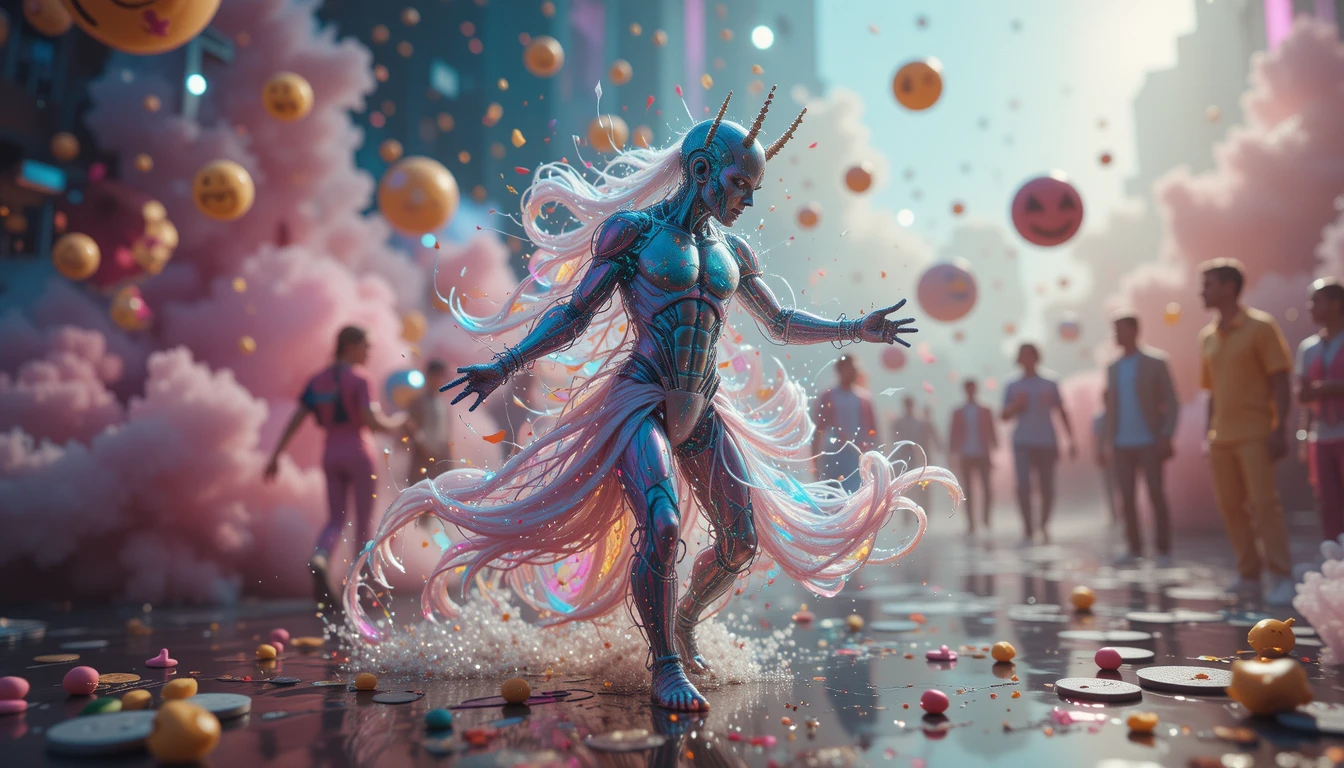
AI Remix of Classic Vines Has Viewers Shocked and Laughing
Shocking and Hilarious AI-Enhanced Vine Remixes
Explore the bizarre world of AI-enhanced Vine remixes as iconic clips transform into shocking, laugh-out-loud moments that spark cultural debate.
This article examines the evolution of classic Vine clips transformed by artificial intelligence into unexpected, humorous experiences. It delves into the surprising character transformations, bizarre humor, and underlying cultural debates. The discussion explores how AI remixing of viral content creates shock and laughter, raising questions about authenticity, creativity, and digital culture. AI-enhanced remixes and viral Vine edits take center stage in this captivating analysis.
🎯 1. Evolution of Vine Clips into AI Remixes
An unlikely collision of nostalgia and cutting-edge technology propels Vine clips into an entirely new dimension. Imagine revisiting those quirky six-second bursts of humor with an AI twist that mashes up the familiar with the unpredictable—a scene reminiscent of the famous “9 + 10” clip reimagined in a way that either makes one burst out laughing or furrow one’s brow in bewilderment. In the original Vine, the exchange “you stupid no not what’s 9 + 10 21” became an instant meme, its absurdity resonating with millions. Now, with AI remix technology, that same clip is subverted into something that appears to travel through time, conceptually “stopping itself from looking stupid” and then morphing into absurd, unexpected cultural references. This transformation is more than a quirky novelty—it represents the evolution of digital storytelling where classic humor meets the boundless creativity of artificial intelligence.
The infusion of AI into these clips invites a delightful tension between the comfort of the past and the exhilarating unpredictability of modern technology. For instance, consider how classic Vine clips, which once relied on human editing and simplistic timing, are now being reconstructed by algorithms that insert bizarre transitions, random character changes, and even meta-references to pop culture. These AI systems, powered by advanced machine learning models, are not just replicating the original content; they are reinterpreting it by layering fresh, unexpected elements. This phenomenon draws a parallel to the resurgence of retro aesthetics seen in modern art and design, such as the revival of analog photography in digital culture—a trend discussed in depth by The Verge and Wired.
🔍 Nostalgia Meets Algorithmic Creativity
The inherent charm of Vine clips lies in their raw, spontaneous humor—a moment captured out of time. With AI remixes, the original context is both preserved and playfully subverted. In the aforementioned transcript, the familiar “9 + 10” exchange swiftly morphs into a surreal narrative where characters appear, disappear, and even transform into entirely different personas. The transcript’s line, “you stupid no not what’s 9 + 10…21,” is no longer just a punchline. Instead, it serves as a branching point for a cascade of reinterpretations where the past and future collide, echoing debates on digital memory and the pace of innovation found in discussions by MIT Technology Review and Forbes.
The digital remix culture, rapidly evolving with the help of AI, highlights the fluid boundaries between high art and viral internet phenomena. Each remix is imbued with a purpose that goes beyond mere entertainment—it serves as a commentary on the relentless march of technological frontiers. The transition of the original Vine into an AI-generated format reflects a broader trend in digital media where viewers are not passive consumers but active participants in the evolution of content, as explored in recent analyses on TechCrunch.
🎨 Reimagining Iconic Moments
An element of brilliance in these AI remixes is the reinterpretation of iconic moments. The “9 + 10” reference, once a cute snippet of confusion, now becomes a catalyst for reimagined narratives enriched by layers of cultural commentary. When classic clips are fed into an AI system, familiar phrases trigger unexpected outcomes—transformations that are sometimes funny, other times unsettling. The transcript hints at a time-travel motif, where a character seemingly goes back in time, not to correct mistakes, but ironically to avoid looking foolish. This concept of self-correction, entwined with randomness, pushes the listener to reconsider the fixed nature of memes and humor, a topic that has been elaborated in digital media studies featured on Fast Company.
The remix process is akin to an artist reinterpreting a classic painting with modern techniques; each AI edit is a new brushstroke on the canvas of digital culture. The unexpected insertion of random elements—be it a sudden change in character appearance or a peculiar sound cue—challenges our expectations and embraces the chaotic beauty of digital evolution. These remixes not only facilitate laughter but also spark debates about the nature of authenticity in the era of AI, a dialogue that echoes in the corridors of academic discussions on sites like Scientific American.
By combining nostalgia with sophisticated technology, AI remixes of Vine clips are redefining humor for a generation that grew up with both analog memory and digital innovation. As these AI remixes proliferate on platforms like YouTube and social media, they are not merely evoking sentimentality; they are also encouraging users to investigate the underlying algorithms and question the evolving media landscape, a subject that has been central to recent insights by BBC News Technology.
🎬 2. Unpredictable Transformations and Humor in AI Edits
The very essence of AI-powered remixes lies in their ability to surprise and delight with unexpected transformations. These digital edits can cascade from a simple mispronunciation to a full-blown character metamorphosis, producing effects that range from hilariously absurd to provocatively controversial. In the provided transcript, the humor is not just in the punchlines but in the spontaneous mutations that occur mid-clip—characters morphing unexpectedly, visuals transitioning without warning, and sound cues that punctuate the absurdity of the moment. Viewers are treated to sudden changes such as a person turning into a bunny or exotic shifts in appearance that signal the intervention of an AI mind at work.
This realm of unpredictability in AI edits is the manifestation of an algorithm’s intrinsic randomness merged with programmed creativity. When an AI system takes a known Vine clip and interjects unexpected elements, it’s almost as if it’s rewriting the script on the fly. The transcript laughs, “did he just turn into a bunny,” echoing the disruptive humor that can interrupt our cognitive expectations. In essence, the AI is not following a linear narrative but is instead taking creative liberties in a digital playground where rules are meant to be broken—a phenomenon much discussed in creative technology circles at Digital Trends.
🧩 Random Visual and Auditory Cues: A Symphony of Surprise
AI remixes often inject random visual and auditory cues that amplify the comedic effect. These cues, which manifest as troublingly abrupt character changes or sound effects seemingly plucked from another comic universe, serve as the unexpected beats in an otherwise predictable rhythm. The transcript captures the essence of this disruption with phrases like “random ass people that just come out of nowhere” and “what the heck…?” This sporadic randomness enhances the humor by creating cognitive dissonance—a mental state where viewers are jolted out of their comfort zone, compelled to address the anomaly with laughter or disbelief.
This dance between predictability and unpredictability is reminiscent of jazz music, where improvised solos and sudden key changes create an engaging and immersive experience. Just as a jazz musician might insert a surprise chord, the AI remix bridges the familiar with a sudden, inexplicable twist. These remixing techniques echo methodologies seen in modern video editing tutorials on PremiumBeat and creative editing manuals available on Adobe’s creative blogs.
Furthermore, the unexpected insertion of new elements can be perceived as an encouragement to view these remixes as interactive puzzles. Each peculiar element is a piece of a larger narrative that invites interpretation. For instance, a line in the transcript notes, “they just turn into different people, bro, like they either get skinnier or their skin color just changes.” This observation touches on the heart of AI’s unpredictable creative potential while also flirting with the lines of cultural sensitivity—a conversation that has been further analyzed in articles by The New Yorker and investigative reports on Vox.
🤖 Controversy, Creativity, and Cultural Sensitivity in AI Content
Unpredictable transformations are not without their complications. As the transcript ambiguously articulates—“that’s racist it turned him into an ape”—there arises a critical discussion about the ethical dimensions of AI remixes. The AI’s capacity to alter content dynamically introduces complex questions about authenticity and cultural representation. When AI reinterprets a Vine clip, it inadvertently steps into controversial territory, raising questions on whether the resulting content is a creative homage or a misguided transformation that reinforces stereotypes.
These discussions are emblematic of broader cultural debates about what constitutes acceptable humor in an age where digital media can be as impactful as traditional television. Consider the unpredictability of an algorithm that seems to “travel to the past to stop itself from looking stupid”—a humorous concept with tragic undertones if misinterpreted. This type of AI-driven humor shines a light on the need for clearer guidelines around AI-generated content, similar to the debates on ethical AI representation featured by The Guardian and policy analyses on The New York Times.
Moreover, the spontaneous transformations demonstrated in these remixes challenge the traditional roles of content creators and audiences. The AI-driven evolution of a six-second clip is a microcosm of how digital tools are forcing a reevaluation of artistic merit and authorship. The sheer randomness—where a Vine clip might suddenly insert an entirely different character or reference another movie scene—is both a tribute to the limitless creativity of artificial intelligence and a reminder of the need for responsibility. This intersection of humor, technology, and ethics continues to be a hot topic amongst creative technologists, as explored in content from CNET.
The unpredictable elements of AI remixes are, in many ways, analogous to a mischievous actor in a carefully scripted play—occasionally subverting the narrative to provoke thought or laughter. The unpredictability creates an engaging layer of depth to the digital experience, making each remix not merely a clip to be viewed but an event to be deciphered. In this light, the role of AI transcends being a tool; it becomes a co-creator that infuses digital culture with provocative adaptations, continuously prompting debates on the aesthetics of randomness and the ethics behind content manipulation.
💥 3. Impact on Digital Culture and Meme Evolution
As these AI remixes proliferate across social media and digital outlets, their impact on meme culture and digital humor is profound. The very act of reimagining a short Vine clip, one that once seemed confined to a brief moment in time, speaks volumes about the transformation of digital media itself. AI’s intervention in remix culture has not only breathed new life into forgotten jokes but also redefined the boundaries of what can be considered a viral moment. In the transcript, the spontaneous remarks—mixing humor with bewilderment (“bro what the heck, what the just random ass black people, oh hi”)—capture the duality of human reaction: amusement and perplexity.
🚀 Redefining Meme Culture Through AI
Digital memes have always been a reflection of the zeitgeist—a mirror showing the evolving aesthetics and humor of society. The infusion of AI into meme culture represents an unprecedented shift, where the creative processes behind viral content are no longer solely dictated by human ingenuity but are also augmented by machine learning algorithms. This reconfiguration of the meme lifecycle encourages a dialogue between human creativity and artificial intelligence, compelling digital citizens to grapple with both excitement and ethical considerations. As AI remix tools become more advanced, they do not simply copy or filter content but iterate upon it, as described in digital transformation studies by Harvard Business Review and Inc..
For instance, the intervening randomness and absurdity brought about by AI can change a simple joke into an unpredictable narrative that defies expectations. The remix’s inherent unpredictability may come off as both brilliant and unsettling—a reminder that technology, while capable of immense creative output, often wrestles with underlying biases and ethical dilemmas. In this sense, the evolution of Vine remixes into complex AI edits is not just a novel experiment; it is a microcosm of the larger debate around AI’s role in society, a debate found echoed in reports from The Wall Street Journal.
🌐 Viral Video Production and Audience Engagement
At its core, AI remixing is redefining standards in viral video production. The traditional formula for virality—timing, relatability, and shareability—is being re-envisioned through the lens of machine-generated content that oscillates between clever and controversial. AI’s influence in this arena is a double-edged sword. On one hand, it democratizes content creation by lowering the technical barriers for remixing, thus turning everyday digital interactions into potential viral sensations. On the other, it introduces a cacophony of effects that may dilute authenticity and spark heated debates about the integrity of the original content.
The transcript captures this duality perfectly. The changing personas, unexpected transitions, and even trademark phrases evoke a sense of nostalgia for traditional Vine humor while simultaneously challenging viewers to re-evaluate their criteria for virality. Whether it’s the seemingly nonsensical insertion of new characters mid-clip or the abrupt sound cues that punctuate a moment of comic relief, these AI-generated moments demand both attention and reflection. The phenomenon has been extensively documented in research articles on viral marketing trends available at Business Insider.
Moreover, this shift towards AI-driven content creation forces digital content strategists to reconsider how audiences engage with humor. Traditional metrics of viewership and engagement are now supplemented by discussions about authenticity, creative license, and even censorship—all debates that are crucial in a media landscape where content is continuously repurposed. In a similar vein, industry experts at Adweek have highlighted the role of AI in transforming brand storytelling, where the tension between human creativity and algorithmic suggestion creates fertile ground for innovation.
⚖️ Ethical Questions and the Future of Cultural Representation
As AI continues to reshape the meme landscape, ethical questions abound. The digital remixes prompt re-examination of cultural representation, as alterations—intentional or inadvertent—may shift the context and meaning of the original content. Comments from the transcript such as “that’s racist it turned him into an ape” underscore the fine line between creativity and insensitivity. This provocative transformation forces a broader discussion on accountability in digital editing and the responsibilities of those who deploy AI tools in public discourse. Recent academic analyses on ethical AI, such as those discussed in publications by Stanford Encyclopedia of Philosophy, reinforce the need for a calibrated approach to harnessing such transformative technologies.
The disruption caused by AI remixing extends beyond just altering memes—it redefines how digital culture is consumed and critiqued. Contemporary debates around “deep fakes” and automated content curation reveal that the tools which empower creative reimaginings also blur the boundaries of authenticity and consent. Whether an AI remixer is being innovative or overstepping cultural sensitivities is a matter that resonates in tech ethics conferences and policy discussions covered by MIT Technology Review. As the digital realm grapples with these challenges, the evolution of AI remixes underscores a fundamental shift in the dynamics between creator, consumer, and technology.
Yet, the unpredictable allure of AI remixes has also energized a new generation of meme enthusiasts who revel in the chaotic reordering of familiar content. These enthusiasts are not just passive viewers but active participants in a digital dialogue that critiques and celebrates the interplay between technology and creativity. This phenomenon reinforces the idea that humor—particularly in its digital form—is inherently dynamic and reflective of the times. The ongoing discourse on digital ethics and creative ownership, recently highlighted by National Geographic, illuminates this interplay, urging a balance between embracing technological advancements and preserving cultural integrity.
🔮 The Future of AI-Driven Meme Culture
Looking forward, the impact of AI remixing on digital culture is destined to be profound. As technology evolves, so will the methods by which content is curated, remixed, and disseminated. Future iterations of AI editing could integrate even more sophisticated layers—think multi-dimensional data, real-time audience feedback, and even augmented reality overlays—that blur the boundaries between the digital and physical worlds. The unpredictable transformations witnessed in today’s AI remixes are just the tip of the iceberg. They suggest a future where every digital interaction has the potential to be remixed, reinterpreted, and reimagined in ways that defy traditional narrative structures.
This evolution is in tandem with broader trends in content automation and machine learning, which have been highlighted across multiple sectors in recent years. The intersection of AI and viral culture is poised to redefine not only humor but also political and social commentary. For example, political satire, once confined to traditional media, may now find new life through algorithmically generated edits that both subvert and amplify core messages—a notion elaborated upon by thought leaders at SAS Insights.
Furthermore, as the audiences of digital content grow increasingly sophisticated, there will be a robust demand for transparency regarding how AI systems function. The need to understand the algorithms behind these remixes is akin to the broader societal debates on data privacy and digital literacy—a conversation that is gathering momentum in academic circles and policy forums alike. Such discussions have been dissected in depth by platforms like Pew Research Center, emphasizing the importance of ethical considerations in future innovations.
The transformation of Vine clips into avant-garde AI remixes serves as a tangible example of this broader paradigm shift. It underscores an essential truth of modern digital life: the interaction between technology and culture is an ever-evolving dance, marked by surprising steps, missteps, and moments of brilliance. Today’s AI remixes provoke not only laughter but also critical introspection about the origins and future of digital media, inviting audiences to question the essence of innovation itself.
In conclusion, the evolution of Vine clips through AI remixes exemplifies a significant turning point in digital culture—one that blends nostalgia with novelty, spontaneity with sophistication, and humor with ethical dilemmas. As technology continues its relentless march forward, the fusion of human creativity with algorithmic ingenuity will redefine what it means to create and consume content in the digital age. The unpredictable, transformative nature of these remixes fuels a dynamic environment where each edited clip serves not merely as entertainment, but as a microcosm of the broader evolution in meme culture, sparking discussions that traverse the realms of humor, innovation, and digital ethics.
The journey from a simple Vine clip to an AI-augmented masterpiece encapsulates a vital transition in digital storytelling. Combining the quirky spark of early internet humor with the boundless potential of advanced algorithms, these remixes represent both the evolution and the democratization of creativity. Through unexpected transformations and humorous twists, they challenge traditional notions of authorship and authenticity while simultaneously redefining how digital narratives are constructed and shared. With each unpredictable twist in a Vine clip, digital culture is being re-envisioned—an ongoing saga that describes the future of content creation in a world where AI fuels a continuously shifting landscape of memes, humor, and cultural commentary.
The integration of AI into digital editing ultimately reflects a broader societal trend: technology as both a tool and a catalyst for creative expression. As these evolution-driven remixes continue to captivate audiences, they serve as a reminder that innovation is not merely about efficiency—it’s about reimagining possibility. The collision of past and future in these remixed Vine clips gives birth to a vibrant dialogue on the nature of creativity in the digital age, inviting both creators and consumers alike to participate in shaping the next chapter of internet culture.