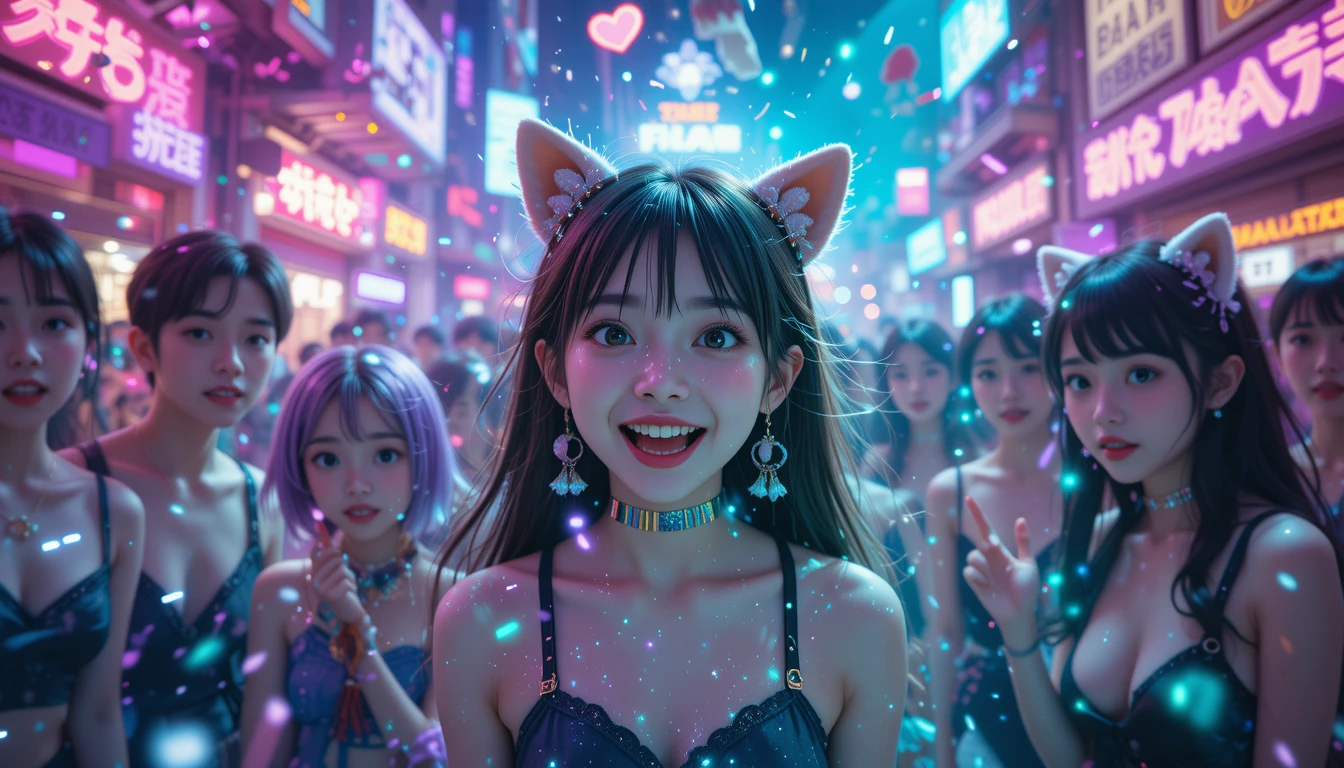
AI Turns Random Photos Into Hilarious Anime Chaos
AI Unleashes Hilarious Anime Transformations
Discover how AI transforms random photos into hilarious anime characters through unexpected community experiments and live-streamed fun.
This article explores the fascinating trend of using AI transformation filters to turn random photos into quirky anime characters. It highlights a creative experiment fueled by community submissions and live streaming, where unpredictable outcomes bring an element of humor and chaos. The discussion covers the origins of the trend, the process behind the transformations, and the reactions from an engaging online audience.
🎯 The Rise of AI-Powered Anime Transformations
In an era where digital creativity meets artificial intelligence, a new phenomenon has taken over social media by storm: the spontaneous transformation of everyday images into anime-style art. Imagine scrolling through your favorite social platform, whether it be TikTok or Discord, and witnessing ordinary snapshots transcend into vibrant, animated worlds. This isn’t merely a filter or a gimmick—it’s a window into a dynamic world where creativity and AI interplay, turning mundane moments into captivating experiences, much like a digital kaleidoscope. The trend’s surge is not just a fleeting experiment; it reflects a broader cultural embrace of AI-driven personalization, creativity, and community building. Social media channels, by design, encourage experimentation. When a filter effortlessly reimagines everything from selfies to random snapshots as anime protagonists, it resonates with the audience’s desire for unexpected beauty and artistic expression. The integration of live streaming on platforms such as Twitch adds another layer of engagement—viewers not only passively consume content but also actively participate in a creative experiment that evolves in real time. This fusion of technology and live interaction forms the backbone of a captivating narrative that appeals to both art enthusiasts and tech aficionados alike.
A video streamed live recently demonstrated this phenomenon in action. As participants sent a myriad of photos through a Discord channel, the creator applied a dynamic AI filter that transformed every image into a distinct anime character. The spontaneous nature of these live streams, accompanied by humorous commentary and a sense of awe, mirrors the unpredictable artistry of the filter itself. As one commentator cheekily noted, “At least they can’t do SpongeBob wrong, bro!”—a line that underlines both the absurdity and the endearing charm of these experiments. This transformation trend stands at the crossroads of technology and art, echoing how AI is reshaping our digital landscapes. For those looking to explore the fusion of AI with creative expression, detailed insights can be found in articles on Wired and The Verge.
Integrating AI into creative processes has its roots in art history and modern digital experimentation. Traditional art transformation may have called for manual techniques that were painstakingly applied over long periods. Today, however, dynamic AI filters offer a near-instantaneous conversion, similar to how photo apps once revolutionized self-portraits. Platforms designed for sharing and collaboration, such as Instagram and Reddit, have become fertile ground for these artistic experiments. The ethos here is simple: democratize creativity by turning every user, regardless of artistic skill, into a digital creator. As the trend gathers momentum, live feedback integrates with asynchronous sharing, forming a robust ecosystem where transformation meets spontaneity, community meets experimentation, and art meets technology.
This phenomenon isn’t just about aesthetics; it reflects our evolving relationship with technology. The dynamic interplay between AI and creative experimentation, as seen on these platforms, is setting the stage for a future where technology doesn’t just support creativity but actively becomes a partner in the creative process. The Japanese term “kawaii” (cute) meets algorithmic perfection—a concept celebrated across platforms from Pixiv to Behance. The rapid spread and popularity of these filters highlight a larger narrative: digital transformation is as much about reimagining the familiar as it is about inventing the new. By seamlessly blending automation with imaginative flair, AI-powered anime transformations are transforming the digital space into a playground of endless creativity.
🚀 Experimenting with Random Images: Process and Outcomes
At the heart of this wave of digital artistry lies a creatively rebellious process that pushes the boundaries of what can be achieved with AI. The experimentation begins with a simple yet profound idea: take random images—be they personal photos, social media snapshots, or even mundane textures—and allow an AI filter to reinterpret them in a whimsical, anime-inspired style. This seemingly simple process is layered with complexity and unpredictability, as the results defy expectations with every iteration.
The Creative Process
The procedure starts with a pool of random images gathered from diverse sources, often submitted by a community of enthusiastic participants through platforms like Discord. This communal submission process is crucial, as it infuses the experiment with a collective creativity that is at once spontaneous and deeply connected to online communities. The AI filter, imbued with intricate algorithms, is applied to each image. What happens next is akin to opening a surprise package: sometimes the transformation is subtle, other times it’s downright radical.
Multiple runs through the filter yield a spectrum of results that range from the comically off-mark to visually arresting. For instance, consider the minion—a simple, familiar character that, when subjected to the AI filter, might morph into ten distinct variations. In one clip from the live stream, the minion underwent numerous transformations—each iteration uniquely unrecognizable from the last. The randomness achieved even generated what some described as an “infinite loop of garbage:” a recursive process where the output of one transformation fed back into the filter, creating layers of digital reinterpretation that bordered on the surreal. This technique parallels the recursive iterations seen in some generative art projects discussed on Artsy and Creative Bloq.
Unpredictability: The Engine of Creativity
The appeal of these experiments lies in their inherent unpredictability. An image of cobblestone, for example, known widely as nothing more than an abstract collection of textures, can be transformed into an enigmatic anime face that sparks both laughter and amazement. The filter even takes on recognizable figures, distorting their features in unexpected ways. The transformation of a nerd face, which on first glance seems straightforward, can evolve into something reminiscent of comic book heroes or even more abstract and hyper-real interpretations. Each transformation carries its own narrative, as the filter constructs new forms from the raw material of digital imagery—a process reminiscent of modern digital alchemy.
A fascinating part of these experiments is observing the evolution of familiar characters. On one occasion, the transformation journey of well-known figures—like SpongeBob, Patrick, and even Minecraft’s Steve—became the subject of live audience speculation and humor. With every new iteration, the audience could see subtle thematic shifts: SpongeBob transformed with layers of gritty realism that clashed with his typically cheerful visage, while Patrick’s metamorphosis evoked both nostalgia and an uncanny artistic rebellion. Such experiments mirror the evolving ways in which modern audiences interact with and reinterpret pop culture, as evidenced by discussions on platforms such as BBC Culture and The New York Times.
Outcomes and Notable Twists
Not all outcomes are conventional or expected. The experiment revealed outcomes that invite both critical reflection and delightful amusement. For instance, a dog transformed into an anime girl wearing a dog outfit stands as one of the most unexpected twists—the absurdity of it all inviting chuckles from even the most stoic viewers. Equally memorable was the troll face chaos that emerged after multiple iterations: what began as an unassuming digital prank escalated into layers of transformation that blended humor with a touch of existential absurdity. One segment of the live stream saw pink “troll faces” repeated in various forms, each iteration warping further into a unique digital expression that challenged viewers to either laugh out loud or scratch their heads in bewilderment. These outcomes, which might have appeared nonsensical at first glance, are in fact emblematic of the broader trend in AI-driven art: the melding of technology and creativity does not adhere to predetermined paths but instead celebrates the beauty of spontaneous creation.
The process itself shares a kinship with experimental art movements where randomness and spontaneity are embraced. The ensuing digital bricolage, created from layers of AI interpretation, resonates with artistic methodologies employed in RT-analog and glitch art, discussed extensively on sites like Smashing Magazine and Designboom. In these instances, the creative process becomes a journey rather than a destination—a voyage fueled by constant reinvention and unpredictability. The recursive nature of some transformations, where the output becomes the new input, underscores the experimental spirit. Each iteration builds upon the last, inviting comparisons to computer-generated art seen in projects at MoMA and the cutting-edge explorations discussed on Fast Company.
This trend, while playful and humorous in presentation, poses broader questions about the role of AI in the creative process. Instead of merely imitating artistic styles, these filters generate completely new interpretations that evoke unanticipated emotions and narrative layers. The unpredictable beauty of the transformed images raises questions about AI’s capacity to not only mimic but also innovate—adding layers upon layers that even human artistry might struggle to replicate in real time.
🧠 Memorable Transformations and Community Reactions
Among the myriad transformations that emerged from these experiments, a few moments stood out as particularly emblematic of the creative and unpredictable nature of AI-driven anime transformations. These memorable conversions have not only become points of discussion among community members but have also underscored the broader potential of creative AI in reconnecting digital audiences with shared, humorous, and often heartwarming experiences.
Unpredictable Evolutions That Captivate
One of the most talked-about moments came from the repeated transformation of the minion. In the live stream, as the AI filter revisited the minion’s image multiple times, each iteration diverged from the previous in unexpected ways. The viewer interaction was palpable—comments flooded in with anticipation, humor, and disbelief. The unexpected evolution of the minion became a metaphor for the transformative power of AI, illustrating in microcosm how technology can breathe new life into something so familiar. The recursive handling of the minion’s image, which humorously morphed and mutated across iterations, illustrates that even in seemingly trivial experiments, AI can unlock layers of complexity and humor reminiscent of the surreal expressions found in contemporary digital installations, as highlighted on platforms like ArtNews.
Another memorable transformation involved a familiar “nerd face.” Initially submitted as a simple test case, this image transformed into an unexpectedly elegant anime character with refined features that defied the initial expectations of the audience. Among online communities, the transformation sparked a lively debate on the interplay between recognizable facial features and AI-generated art. Drawing parallels with digital reinterpretations in well-known initiatives like the Google Doodles, this transformation highlighted how AI can reimagine even the most straightforward images into works of unpredictable beauty.
Then there’s the unforgettable case of the dog turned anime girl. This transformation invoked a mix of amusement and admiration, as an image of a dog evolved into a whimsical yet stylish anime character wearing a dog outfit—a result that perfectly encapsulated the unexpected creativity of the technology. The juxtaposition of an animal image with human-like anime attributes underscores the versatility of the AI filter and its capacity to transcend traditional boundaries between literal representation and artistic abstraction. This phenomenon parallels the transformative art movements discussed on Vice, where the blending of genres creates something refreshingly novel and entertaining.
Lastly, the infamous troll face sequence captured the community’s imagination in a way few other outcomes did. Initially perceived as a humorous nod to early internet culture, the troll face was subjected to repeated iterations until it morphed into increasingly bizarre forms. The repeated executions not only amplified the surreal humor but also kindled an interactive dialogue among viewers. Some community members noted, “It’s like watching digital chaos unfold, one troll face at a time,” encapsulating the collective sentiment. The interplay between familiar icons and their transformed representations illustrates that AI-driven art is not just about aesthetics but also about evoking shared cultural references that can be both nostalgic and radically inventive, much like the discussions found on The Guardian.
Community Engagement: The Heartbeat of Digital Transformation
The live streaming format—as seen on platforms like Twitch—has been pivotal in the success of these experiments. The creator, interacting with an engaged and enthusiastic online audience, transformed what could have been a solitary experiment into a communal event. Real-time reactions, quirky chants, and shared laughter all contributed to a vibrant online culture where every transformed image became fodder for conversation, debate, and even inside jokes. Viewers would often chime in with suggestions and humorous commentary such as, “At least they can’t do SpongeBob wrong!” which, in essence, became part of the fabric of the event.
This live interactivity is reflective of broader trends in digital media, where immediacy and audience participation enrich the overall experience. Similar interactive experiences have been detailed in studies published on platforms such as eMarketer and Digital Trends, highlighting the evolution of content consumption. While traditional media often relies on pre-produced narratives, the spontaneity and unpredictability of live AI experiments create an environment of shared discovery and continuous surprise. This not only enhances viewer engagement but also fosters a deeper appreciation of how AI can democratize creativity, offering everyone a seat at the digital canvas.
Beyond the sheer entertainment value, these interactive sessions serve as microcosms of a larger transformation in digital art. Every comment, every suggestion, and every collective gasp during an unexpected transformation reinforces the idea that AI is not merely a tool for automating repetitive tasks, but a medium for unlocking creative potential. The community’s participation is a testament to how digital ecosystems can synergize technology and culture, producing outcomes that resonate on both an emotional and intellectual level—a sentiment echoed in discussions on Forbes and Harvard Business Review.
Recurring Themes and the Broader Implications
While the reactions and outcomes range from delightfully absurd to artistically profound, recurring themes run throughout these experiments. One major theme is the fusion of familiarity with abstraction. Recognizable images—from cartoon characters to everyday objects—are transformed into something both new and nostalgically familiar, evoking a sense of playful reminiscence and unbridled creativity. This phenomenon is a nod to the transformative power of AI, where the boundaries of traditional art forms are reimagined with each iteration.
Moreover, these experiments raise important questions about the role of AI in shaping our visual culture. As algorithms become more sophisticated, the line between human creativity and machine-generated art continues to blur. Discussions in scholarly articles on platforms like ScienceDirect and Nature explore how AI can be both a creative partner and a provocateur, challenging conventional notions of authorship and originality. The unpredictable nature of these anime transformations exemplifies how technology can disrupt established paradigms, offering new perspectives on creativity that extend far beyond the screen.
In the global context, such trendsetting experiments are contributing to a broader dialogue on digital transformation. They illuminate how AI can serve as a bridge between technology and art, inspiring both seasoned creators and casual social media users to explore new avenues of expression. This trend is not isolated; it mirrors developments in augmented reality projects and immersive digital installations that have been showcased at international events like the Venice Biennale and discussed in depth on platforms such as TED.
The community’s laughter and shared moments of surprise during these experiments underscore the transformative potential of AI in fostering a sense of collective joy and creativity. Indeed, while critics may debate the artistic merit of a dog turning into an anime girl or the cyclic absurdity of a troll face, these digital experiments signal a new era where art is iterative, collaborative, and delightfully unpredictable—a sentiment celebrated in modern cultural critiques and analyses alike.
As AI continues to evolve, so too will the ways in which it reshapes creative endeavors. The spontaneous nature of these anime transformations invites not only laughter and surprise but also a deeper reflection on how technology is democratizing creativity in unprecedented ways. In many respects, these experiments are the digital manifestation of artistic liberation, where both the process and the outcome are valued as expressions of a novel, technology-infused artistic language.
To summarize, the field of AI-powered transformations is more than just a spectacle of digital effects—it is a cultural movement that redefines art in the age of technology. Each unpredictable transformation reinforces that creativity does not have to adhere to the rigid boundaries of tradition; rather, it can flourish in the most unexpected places, inviting continuous exploration and dialogue among digital communities worldwide.
Connecting these insights with the broader context of AI-driven innovation, it becomes clear that this trend is emblematic of a fundamental cultural shift. As digital natives and seasoned artists alike come to grips with AI as a creative collaborator, the enduring impact of such experiments will be felt across industries—from entertainment to education, and from marketing to interactive art. For deeper analyses on AI’s impact on creative industries, recent discussions on McKinsey provide comprehensive insights into the strategic implications of AI in creative sectors.
In this burgeoning landscape of digital creativity, each transformed image is not only a testament to the power of algorithms but also a celebration of human imagination—a reminder that, in the world of AI, every pixel holds the potential for unexpected brilliance.
In conclusion, the rise of AI-powered anime transformations does more than just amuse viewers; it challenges and expands our perceptions of art and technology. This creative blend of randomness, artificial intelligence, and community engagement carves out new spaces for artistic expression—spaces where every transformation, from the humble minion to iconic characters like SpongeBob and Minecraft’s Steve, is a conversation starter about the future of art, media, and innovative technology. As such, this trend stands as a vibrant case study in the transformative potential of AI—a potential that Rokito.Ai and other forward-thinking innovators are tapping into to empower humanity with creative, productive, and truly inspiring digital experiences.
For more information on AI innovations and creative transformations, consider reading expert opinions and research at AI Expo or exploring interactive digital art trends at Digital Arts Online. These resources illuminate the guiding principles behind the dynamic intersection of art and technology and reinforce the idea that the only limit to digital creativity is the imagination.
The journey of these AI-powered transformations is a reminder to all that when technology meets creativity, boundaries blur and endless possibilities emerge. In a world increasingly driven by innovation, each quirky, unexpected transformation invites a reevaluation of the creative process itself—a process that is as much about human expression as it is about technological prowess. This transformation, as unpredictable as it may be, is a testament to the resilience and boundless potential of creative reinvention in our digital age.